I. Introduction
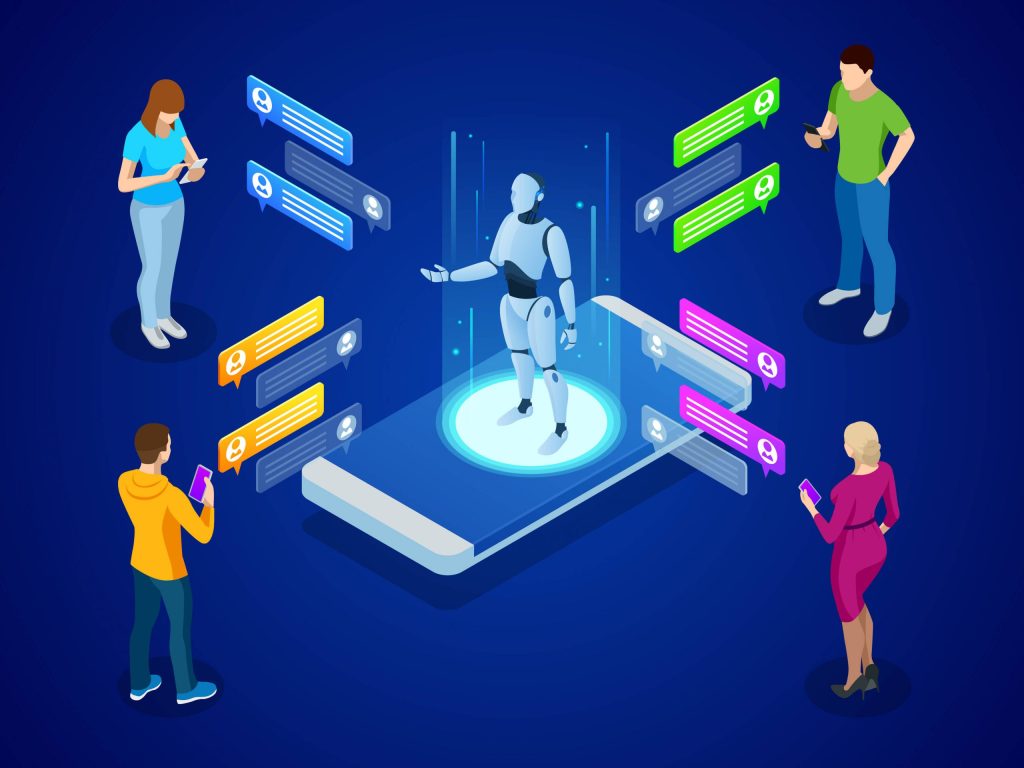
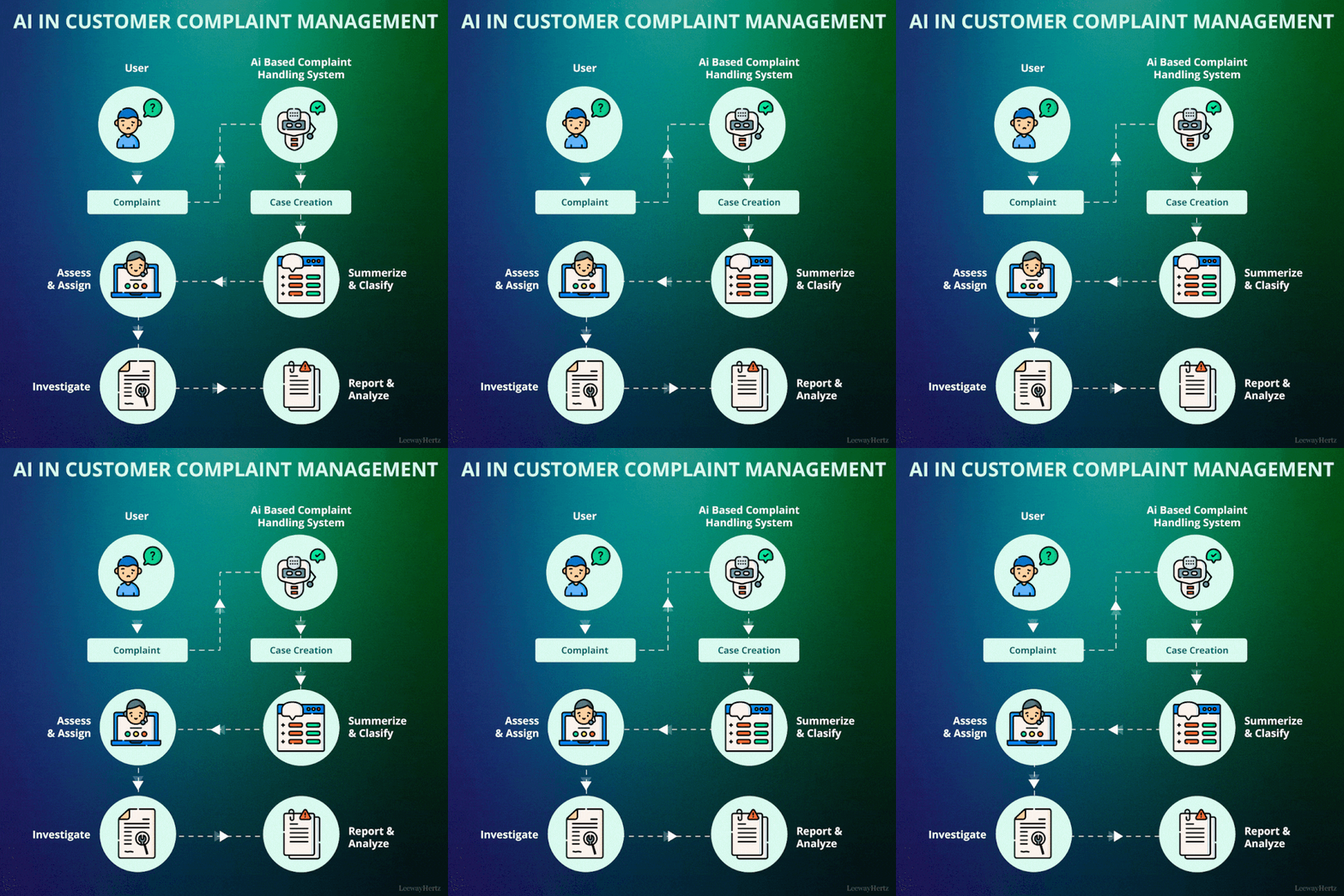
In the ever-evolving landscape of customer service, the integration of Artificial Intelligence (AI) has emerged as a transformative force, particularly in the realm of complaint management systems. AI technologies bring efficiency, speed, and precision to the process of handling customer complaints. This article delves into the diverse use cases of AI in complaint management systems, exploring how specific applications such as voice analysis, self-service chatbots, automated responses, real-time monitoring, performance metrics, and sentiment analysis are reshaping the complaint resolution landscape.
II. Voice Analysis
A. Overview
Voice analysis in complaint management leverages AI technologies to analyze the tone, pitch, and sentiment of customer voices during interactions. This nuanced use of AI in the complaint management system adds a layer of understanding beyond textual data, providing valuable insights into customer emotions and helping tailor responses accordingly.
B. Use Cases
- Emotion Recognition: AI-powered voice analysis can recognize various emotions, such as anger, frustration, or satisfaction, in customers’ voices. This allows organizations to prioritize and handle emotionally charged complaints with heightened sensitivity.
- Identification of Stress Indicators: Voice analysis can identify stress indicators, such as raised voice levels or rapid speech patterns. Recognizing these indicators enables businesses to intervene promptly and provide necessary support, preventing the escalation of the complaint.
- Voice Biometrics for Authentication: AI-driven voice biometrics enhance security in complaint management. By analyzing unique vocal characteristics, businesses can ensure secure customer authentication, reducing the risk of fraudulent complaints.
III. Self-Service Chatbots
A. Overview
Self-service chatbots are AI-powered virtual assistants designed to engage with customers in real-time, offering automated responses and solutions to common queries. In the context of complaint management, these chatbots streamline the initial stages of issue resolution, providing quick and efficient support.
B. Use Cases
- Initial Triage and Categorization: Self-service chatbots can perform an initial triage, categorizing complaints based on predefined criteria. This helps in routing complaints to the appropriate teams or systems for further analysis and resolution.
- Instant Response to FAQs: Chatbots excel in instantly responding to frequently asked questions, guiding customers through common issues. This not only speeds up complaint resolution but also ensures consistency in responses.
- 24/7 Availability: Unlike human agents, self-service chatbots operate 24/7, providing round-the-clock support to customers. This ensures that complaints are acknowledged and addressed promptly, even outside regular business hours.
IV. Automated Responses
A. Overview
Automated responses involve the use of AI algorithms to generate predefined responses to customer complaints. These responses are crafted based on patterns identified in historical data and can be customized to suit specific scenarios.
B. Use Cases
- Acknowledgment and Initial Information: AI-driven automated responses can swiftly acknowledge receipt of a complaint and provide initial information about the expected resolution timeline. This keeps customers informed and reassured.
- Standardized Resolution Steps: For common issues, automated responses can include standardized resolution steps or troubleshooting instructions. This empowers customers to resolve simple problems independently and reduces the workload on customer support teams.
- Consistent Communication: Automated responses ensure consistent communication across all customer interactions. This consistency is crucial for maintaining a unified brand voice and building trust with customers.
V. Real-Time Monitoring
A. Overview
Real-time monitoring in complaint management involves AI systems continuously analyzing customer interactions, data streams, and feedback as they happen. This instantaneous approach enables businesses to identify and address issues promptly, minimizing the impact on customer satisfaction.
B. Use Cases
- Identifying Emerging Issues: AI-powered real-time monitoring can quickly detect emerging issues by analyzing patterns in customer complaints. This allows businesses to proactively address and resolve potential problems before they escalate.
- Performance Tracking: Real-time monitoring provides instant insights into the performance of customer support teams. Businesses can track key metrics, such as response times and resolution rates, and take immediate corrective actions if performance falls below predefined standards.
- Immediate Intervention: If an interaction exhibits signs of escalating tension, real-time monitoring can trigger immediate intervention. This may involve routing the complaint to a senior support agent or deploying additional resources to address the issue effectively.
VI. Performance Metrics
A. Overview
AI-driven performance metrics in complaint management involve the use of algorithms to analyze and quantify the efficiency and effectiveness of complaint resolution processes. These metrics go beyond traditional Key Performance Indicators (KPIs), offering a more nuanced understanding of customer service performance.
B. Use Cases
- Customer Satisfaction Scores (CSAT): AI can analyze customer feedback and sentiment to calculate real-time CSAT scores. This provides businesses with immediate insights into customer satisfaction levels, allowing for prompt adjustments to improve the overall experience.
- Agent Productivity Metrics: AI algorithms can evaluate the productivity of customer support agents by analyzing factors such as response time, resolution time, and the number of successfully resolved complaints. This information aids in performance evaluations and training initiatives.
- Identifying Bottlenecks: Performance metrics can highlight bottlenecks or inefficiencies in the complaint resolution process. AI-driven insights help businesses identify and address these issues, ensuring a smoother and more streamlined customer service experience.
VII. Sentiment Analysis
A. Overview
Sentiment analysis involves AI algorithms deciphering the sentiment expressed in customer complaints, reviews, and feedback. By understanding whether the sentiment is positive, negative, or neutral, businesses can tailor their responses to align with customer emotions.
B. Use Cases
- Prioritizing High-Impact Complaints: Sentiment analysis enables businesses to prioritize complaints based on the severity of sentiment. High-impact complaints with strongly negative sentiments can be addressed urgently to mitigate potential reputational damage.
- Identifying Areas for Improvement: By analyzing sentiment across a range of complaints, businesses can identify recurring themes or areas that consistently receive negative feedback. This information is invaluable for strategic decision-making and process improvement.
- Tailoring Responses: Sentiment analysis allows for the customization of responses based on the detected sentiment. Positive sentiments can be acknowledged with gratitude, while negative sentiments can be met with empathy and a commitment to resolution.
VIII. Challenges and Considerations
A. Ethical Use of AI
While AI brings numerous benefits to complaint management systems, ethical considerations must be at the forefront. Businesses must ensure that AI is used responsibly, without perpetuating biases or compromising customer privacy.
B. Integration Challenges
Integrating AI applications into existing complaint management systems may pose technical challenges. Businesses need to invest in seamless integration processes and ensure compatibility with their current infrastructure.
C. Continuous Training and Adaptation
AI models require continuous training and adaptation to stay effective. Complaint management systems must be equipped to handle evolving customer behaviors, language trends, and emerging issues to provide accurate insights.
IX. Future Trends
A. Conversational AI Advancements
The evolution of conversational AI, including chatbots and virtual assistants, is expected to continue. Future advancements may include more natural language processing capabilities, making interactions even more seamless and human-like.
B. Emotionally Intelligent AI
AI models with enhanced emotional intelligence will become integral to complaint management. These models will not only recognize emotions in customer interactions but also respond with empathy and understanding.
C. Integration with Augmented Reality (AR)
The integration of AI-powered complaint management systems with Augmented Reality (AR) may revolutionize customer support. AR applications could provide visual guidance to customers, helping them troubleshoot issues in real-time.
D. Enhanced Predictive Analytics
Predictive analytics in complaint management will become more sophisticated. AI algorithms will anticipate potential issues based on a deeper understanding of customer behaviors and industry trends, enabling businesses to proactively address challenges.
X. Conclusion
In conclusion, the use of AI in complaint management systems is transforming how businesses approach customer service and issue resolution. The diverse applications, including voice analysis, self-service chatbots, automated responses, real-time monitoring, performance metrics, and sentiment analysis, collectively contribute to a more efficient, proactive, and customer-centric complaint management process. As businesses navigate the evolving landscape of customer interactions, embracing AI-driven solutions is not just a technological upgrade—it is a strategic imperative for those seeking to deliver exceptional customer experiences, build brand loyalty, and stay ahead in the competitive marketplace. The future of complaint management is undeniably intertwined with the continued evolution of AI, promising innovative solutions that enhance customer satisfaction and drive sustainable business growth.


Leave a Reply