Introduction
In the ever-evolving landscape of business operations, the integration of artificial intelligence (AI) into inventory management has emerged as a game-changer. AI brings a paradigm shift by leveraging advanced algorithms and machine learning to optimize various aspects of inventory control.
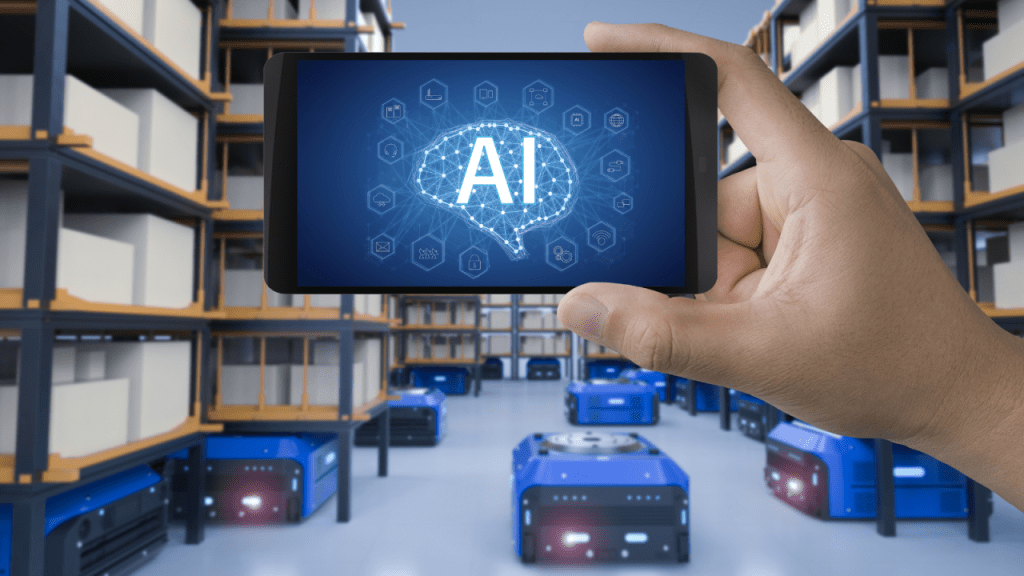
This article explores the diverse and impactful use cases of AI in inventory management, showcasing how businesses can harness this technology to enhance efficiency, accuracy, and overall supply chain performance.
1. AI-Driven Demand Forecasting
1.1 The Challenge
Demand forecasting is a cornerstone of inventory management, and inaccuracies in predictions can lead to overstocking or stockouts, impacting operational costs and customer satisfaction.
1.2 AI Solution
AI revolutionizes demand forecasting by analyzing vast datasets, market trends, and external factors. Machine learning algorithms continuously learn and adapt, providing more accurate predictions. This ensures that businesses align their inventory levels with actual customer needs, optimizing stock levels and reducing carrying costs.
1.3 Use Case: Retail Industry
In the retail sector, AI-driven demand forecasting allows businesses to predict customer preferences based on historical data, seasonal trends, and even social media signals. Retailers can adjust their inventory accordingly, ensuring popular products are readily available and minimizing the risk of excess inventory.
2. Automated Data Entry and Tracking
2.1 The Challenge
Manual data entry and tracking in traditional inventory management systems are prone to errors, leading to discrepancies between recorded inventory levels and the actual stock on hand.
2.2 AI Solution
AI automates data entry and tracking processes, reducing reliance on manual inputs. Technologies such as barcode scanning, RFID, and IoT devices ensure real-time and accurate tracking of inventory movements, minimizing errors and enhancing the reliability of inventory data.
2.3 Use Case: Warehouse Operations
In warehouse management, AI-driven barcode scanning and RFID technology streamline inventory tracking. Automated data entry reduces the risk of human errors, and real-time tracking ensures precise information on the location and status of each item in the warehouse.
3. Real-Time Visibility Across the Supply Chain
3.1 The Challenge
Limited visibility across the supply chain hampers decision-making, making it challenging to respond promptly to changes in demand, disruptions, or other external factors.
3.2 AI Solution
AI provides real-time visibility into the entire supply chain by integrating data from various sources. This comprehensive view enables businesses to identify bottlenecks, track shipments, and optimize inventory levels throughout the supply chain.
3.3 Use Case: Logistics and Distribution
In logistics and distribution, AI-enhanced real-time visibility allows businesses to monitor the movement of goods, predict potential delays, and reroute shipments if necessary. This proactive approach ensures that inventory flows smoothly through the supply chain, minimizing disruptions.
4. Optimized Order Fulfillment
4.1 The Challenge
Inefficient order fulfillment can lead to delays, affecting customer satisfaction. Traditional systems may struggle to adapt to varying order volumes and patterns.
4.2 AI Solution
AI enhances order fulfillment by automating and optimizing order processing. Machine learning algorithms analyze historical data and order patterns, predicting future demand and facilitating a more proactive and efficient order fulfillment process.
4.3 Use Case: E-Commerce Platforms
E-commerce platforms leverage AI to optimize order fulfillment. Predictive algorithms analyze customer behaviors and trends, allowing businesses to anticipate order volumes. This enables timely inventory allocation, reducing the risk of stockouts during peak demand periods.
5. Adaptive and Predictive Inventory Management
5.1 The Challenge
Traditional inventory systems may lack the adaptability and predictive capabilities needed to respond to dynamic market conditions and unforeseen disruptions.
5.2 AI Solution
AI introduces continuous learning and predictive capabilities into inventory management systems. Machine learning algorithms adapt to changing conditions, making predictions about future trends and ensuring that inventory management remains optimized and responsive.
5.3 Use Case: Manufacturing
In manufacturing, AI-driven adaptive inventory management optimizes stock levels based on production schedules, supplier performance, and market demand. Predictive analytics anticipate potential disruptions, enabling manufacturers to proactively address issues and maintain an efficient production process.
6. Predictive Maintenance
6.1 The Challenge
Unplanned equipment downtime can disrupt operations and increase maintenance costs. Traditional maintenance schedules may not align with the actual condition of machinery.
6.2 AI Solution
AI-enabled predictive maintenance analyzes data from sensors and IoT devices to predict equipment failures before they occur. By proactively scheduling maintenance, businesses can minimize downtime, extend equipment lifespan, and reduce overall maintenance costs.
6.3 Use Case: Manufacturing Facilities
In manufacturing facilities, AI-driven predictive maintenance ensures that machinery is serviced when needed, preventing unexpected breakdowns. This approach optimizes production schedules, reduces downtime, and enhances overall operational efficiency.
7. Dynamic Pricing Strategies
7.1 The Challenge
Traditional pricing strategies may not adapt quickly to changes in market conditions, competitor pricing, or demand fluctuations.
7.2 AI Solution
AI enables dynamic pricing strategies by analyzing real-time market data, competitor pricing, and demand trends. Machine learning algorithms adjust prices dynamically, maximizing revenue and ensuring competitive pricing.
7.3 Use Case: Retail and E-Commerce
Retailers and e-commerce platforms leverage AI to implement dynamic pricing based on factors like supply and demand, competitor pricing, and customer behavior. This ensures that prices remain competitive while maximizing profit margins in real-time.
8. Personalized Inventory Management
8.1 The Challenge
Traditional inventory systems may treat all customers and products alike, leading to suboptimal allocation of resources.
8.2 AI Solution
AI algorithms enable personalized inventory management by considering individual customer preferences, behaviors, and product characteristics. This ensures that the right products are available to the right customers at the right time.
8.3 Use Case: Fashion Retail
In the fashion retail sector, AI-driven personalized inventory management considers individual customer preferences and purchase history. This allows retailers to tailor their inventory to specific customer segments, ensuring a more personalized shopping experience.
9. Autonomous Inventory Management Systems
9.1 The Challenge
Traditional inventory management systems often require significant manual intervention, leading to increased labor costs and potential errors.
9.2 AI Solution
AI-driven autonomous inventory management systems automate various inventory processes, reducing the need for manual intervention. These systems can make real-time decisions, ensuring continuous optimization of inventory levels.
9.3 Use Case: Large-Scale Warehousing
In large-scale warehousing, autonomous inventory management systems use AI algorithms to optimize storage, automate order picking, and manage inventory replenishment. This reduces reliance on manual labor, minimizes errors, and enhances overall warehouse efficiency.
10. Blockchain Integration for Transparency and Security
10.1 The Challenge
Ensuring transparency and security in the supply chain can be challenging, especially with traditional record-keeping systems.
10.2 AI Solution
Integrating AI with blockchain technology provides a transparent and secure record of inventory movements. This ensures data integrity, reduces the risk of fraud, and enhances overall transparency in the supply chain.
10.3 Use Case: Pharmaceutical Industry
In the pharmaceutical industry, AI and blockchain integration ensures the traceability and authenticity of drugs throughout the supply chain. This not only prevents counterfeiting but also ensures compliance with regulatory requirements.
Conclusion
The use cases of AI in inventory management are diverse and impactful, addressing challenges faced by traditional systems and unlocking new levels of efficiency and precision. From demand forecasting and real-time tracking to adaptive inventory management and blockchain integration, AI empowers businesses to navigate the complexities of modern supply chains.
As AI technology continues to evolve, the future promises even more innovative applications in inventory management, such as autonomous systems, advanced robotics, and personalized strategies. Businesses that embrace and integrate AI into their inventory management processes position themselves for sustained success in an ever-changing business landscape. The synergy between AI and inventory management is not just a technological advancement but a strategic imperative for businesses aiming to thrive in the dynamic world of supply chain management.


 B'yondAI
Leave a comment