Introduction
In the landscape of modern manufacturing, efficiency is key. The ability to streamline workflows, minimize downtime, and maximize productivity can make all the difference in maintaining a competitive edge. With the advent of artificial intelligence (AI) technology, manufacturing processes are undergoing a transformation. AI platforms offer a range of tools and capabilities that can significantly optimize workflows, leading to increased efficiency and cost savings. In this article, we will explore how AI platforms are revolutionizing manufacturing and discuss various ways they can be leveraged to optimize workflows.
Understanding AI Platforms for Manufacturing
Before delving into the optimization potential of AI platforms, it’s essential to understand what these platforms entail. AI platform for manufacturing encompasses a variety of technologies, including machine learning, predictive analytics, computer vision, natural language processing, and robotics. These technologies work together to analyze vast amounts of data, extract meaningful insights, and automate decision-making processes.
Components of AI Platforms
- Machine Learning Algorithms: These algorithms enable AI platforms to learn from historical data, identify patterns, and make predictions. They can be applied to various tasks, such as demand forecasting, predictive maintenance, and quality control.
- Predictive Analytics: Predictive analytics tools utilize statistical techniques and machine learning algorithms to forecast future events or trends based on historical data. In manufacturing, predictive analytics can help anticipate equipment failures, optimize supply chain operations, and improve product quality.
- Computer Vision: Computer vision systems use cameras and image processing algorithms to analyze visual data. In manufacturing, computer vision can be used for defect detection, quality inspection, and assembly verification.
- Natural Language Processing (NLP): NLP enables AI platforms to understand and interpret human language. In manufacturing, NLP can facilitate communication between machines and humans, automate documentation processes, and analyze unstructured text data from sources such as maintenance reports and customer feedback.
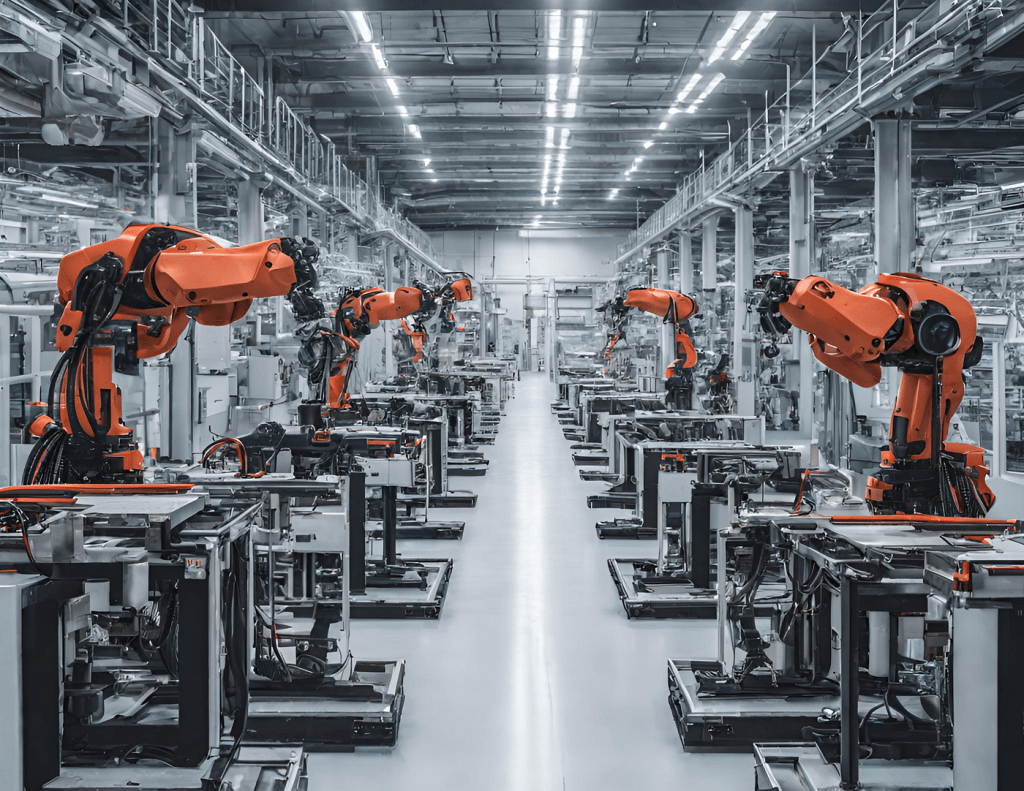
- Robotics: Robotics plays a crucial role in automating repetitive tasks and enhancing operational efficiency in manufacturing environments. AI-powered robots can perform a wide range of activities, from material handling and assembly to packaging and logistics.
Optimizing Workflows with AI Platforms
Now that we have a basic understanding of AI platforms for manufacturing, let’s explore how they can optimize workflows across different stages of the manufacturing process.
1. Demand Forecasting and Inventory Management
AI platforms can analyze historical sales data, market trends, and other relevant factors to accurately predict future demand for products. By leveraging machine learning algorithms, manufacturers can optimize inventory levels, minimize stockouts, and reduce excess inventory carrying costs. Additionally, AI-powered demand forecasting can enable just-in-time production, leading to improved resource utilization and reduced waste.
2. Predictive Maintenance
One of the most significant applications of AI in manufacturing is predictive maintenance. By continuously monitoring equipment sensors and historical maintenance data, AI platforms can identify early signs of potential equipment failures and schedule maintenance proactively. This proactive approach helps minimize unplanned downtime, extend equipment lifespan, and optimize maintenance schedules based on actual usage and performance metrics.
3. Quality Control and Defect Detection
AI-powered computer vision systems can inspect products in real-time, detecting defects and deviations from quality standards with high accuracy. By integrating computer vision technology into production lines, manufacturers can identify and address quality issues early in the manufacturing process, reducing scrap rates, rework costs, and warranty claims. Moreover, AI platforms can continuously learn from detected defects and feedback data to improve inspection algorithms and enhance overall product quality.
4. Process Optimization and Automation
AI platforms enable process optimization and automation across various manufacturing operations, from assembly and machining to packaging and logistics. By analyzing production data in real-time, AI algorithms can identify inefficiencies, bottlenecks, and optimization opportunities within manufacturing workflows. Additionally, AI-powered robotics can automate repetitive tasks, such as material handling, assembly, and packaging, freeing up human workers to focus on more complex and value-added activities.
5. Supply Chain Management
AI platforms can optimize supply chain management by analyzing vast amounts of data from multiple sources, including suppliers, distributors, and logistics partners. By leveraging predictive analytics and machine learning algorithms, manufacturers can improve demand forecasting, optimize inventory levels, minimize transportation costs, and enhance overall supply chain visibility and resilience. Additionally, AI-powered supply chain optimization can help identify alternative suppliers, mitigate supply chain risks, and improve collaboration and coordination among stakeholders.
6. Energy Management and Sustainability
AI platforms can help manufacturers optimize energy consumption, reduce environmental impact, and achieve sustainability goals. By analyzing energy usage data, AI algorithms can identify opportunities for energy efficiency improvements, optimize equipment settings, and schedule production activities to minimize energy-intensive operations during peak demand periods. Moreover, AI-powered optimization can enable manufacturers to leverage renewable energy sources more effectively, such as solar and wind power, reducing reliance on fossil fuels and lowering carbon emissions.
Case Studies: Real-World Applications of AI in Manufacturing
To illustrate the potential impact of AI platforms on manufacturing workflows, let’s look at some real-world case studies showcasing successful implementations of AI technologies in various industries.
1. Predictive Maintenance at Bosch
Bosch, a leading multinational engineering and technology company, implemented a predictive maintenance solution powered by AI to optimize the performance of its manufacturing equipment. By analyzing sensor data from production machinery, the AI system can predict equipment failures before they occur, enabling Bosch to schedule maintenance proactively and minimize downtime. As a result, Bosch has significantly reduced maintenance costs, improved equipment reliability, and increased overall productivity across its manufacturing facilities.
2. Quality Control at Foxconn
Foxconn, a major electronics manufacturer, implemented AI-powered computer vision systems to enhance quality control and defect detection on its production lines. By deploying cameras and machine learning algorithms, Foxconn can inspect electronic components and assembled products with high precision, detecting defects such as scratches, cracks, and misalignments. This automated inspection process has helped Foxconn improve product quality, reduce rework rates, and enhance customer satisfaction.
3. Process Optimization at Toyota
Toyota, a renowned automotive manufacturer, utilizes AI platforms to optimize production processes and improve operational efficiency in its manufacturing plants. By analyzing production data in real-time, Toyota can identify opportunities for process optimization, such as reducing cycle times, minimizing setup times, and optimizing inventory levels. Additionally, Toyota leverages AI-powered robotics to automate repetitive tasks, such as welding and painting, leading to higher productivity and lower labor costs.
Challenges and Considerations
While AI platforms offer tremendous potential for optimizing manufacturing workflows, several challenges and considerations need to be addressed to ensure successful implementation and adoption.
1. Data Quality and Accessibility
Effective utilization of AI in manufacturing relies on access to high-quality data from various sources, including sensors, machines, and enterprise systems. Manufacturers need to invest in data collection infrastructure and ensure data integrity, accuracy, and accessibility to derive meaningful insights and make informed decisions.
2. Skill Gap and Workforce Training
The widespread adoption of AI technologies in manufacturing requires a skilled workforce capable of developing, implementing, and maintaining AI solutions. Manufacturers need to invest in workforce training and upskilling initiatives to equip employees with the necessary technical knowledge and skills to leverage AI platforms effectively.
3. Integration with Existing Systems
Integrating AI platforms with existing manufacturing systems, such as enterprise resource planning (ERP) and manufacturing execution systems (MES), can pose technical challenges related to data interoperability, compatibility, and security. Manufacturers need to carefully plan and execute integration strategies to ensure seamless connectivity and data flow between AI platforms and other systems.
4. Ethical and Regulatory Considerations
AI-powered manufacturing raises ethical and regulatory concerns related to data privacy, security, transparency, and accountability. Manufacturers need to establish robust governance frameworks and compliance mechanisms to address these concerns and ensure ethical AI usage throughout the manufacturing lifecycle.
Future Outlook
As AI technologies continue to advance and evolve, the future of manufacturing looks promising. AI platforms will play an increasingly critical role in driving innovation, efficiency, and sustainability across the manufacturing industry. From predictive maintenance and quality control to process optimization and supply chain management, AI-powered solutions will enable manufacturers to unlock new levels of productivity, agility, and competitiveness in the global marketplace.
Conclusion
In conclusion, generative AI services have the potential to revolutionize manufacturing workflows and unlock significant value for manufacturers. By leveraging machine learning, predictive analytics, computer vision, and robotics, manufacturers can optimize various aspects of the manufacturing process, from demand forecasting and inventory management to quality control and process optimization. However, successful implementation of AI in manufacturing requires addressing challenges related to data quality, workforce skills, system integration, and ethical considerations. With careful planning, investment, and collaboration, manufacturers can harness the power of AI to drive innovation, efficiency, and competitiveness in the digital age of manufacturing.


Leave a Reply