In the ever-evolving landscape of business, the ability to predict and respond to consumer demand is a strategic advantage that can make or break an organization. With the rise of Artificial Intelligence (AI), demand forecasting has undergone a transformative shift, offering businesses unprecedented capabilities in understanding market dynamics, optimizing inventory, and enhancing overall operational efficiency. This article delves into the importance of AI in demand forecasting, exploring the various ways in which this technology is revolutionizing how businesses anticipate and meet customer needs.
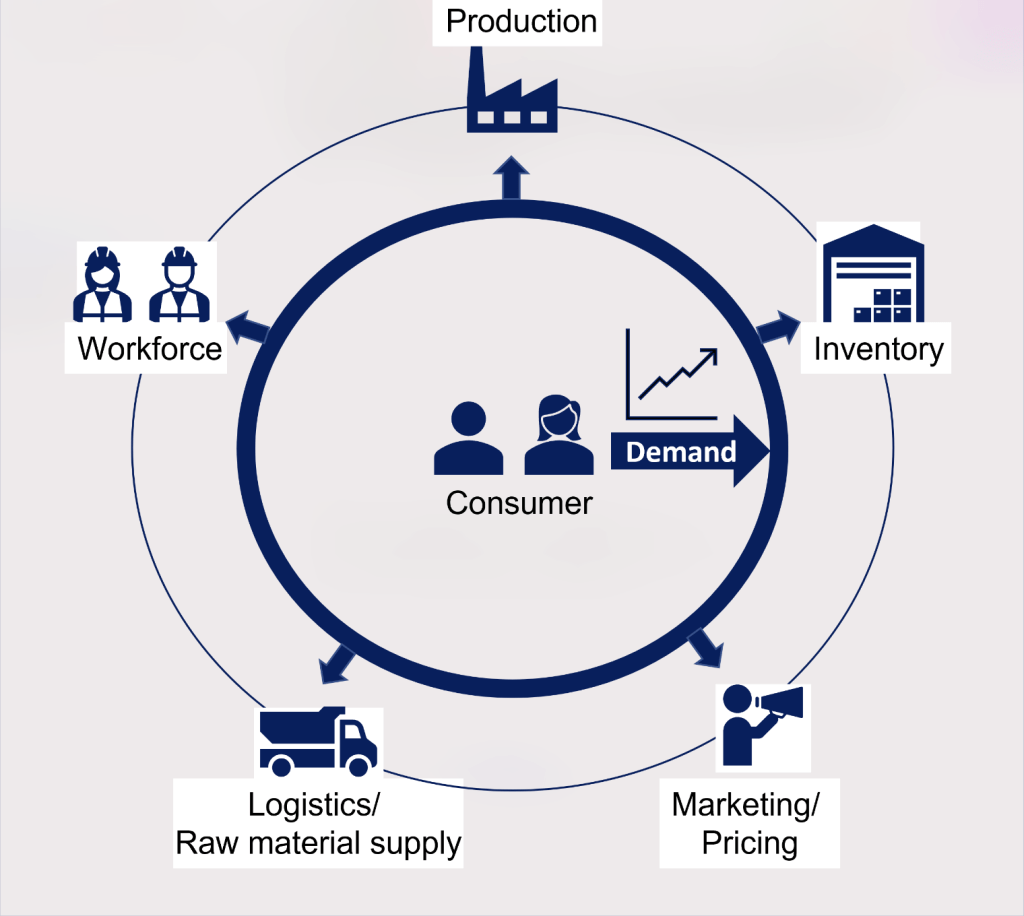
I. Introduction to AI in Demand Forecasting
A. The Evolving Landscape of Demand Forecasting
Demand forecasting has traditionally been a challenging aspect of supply chain management, requiring businesses to analyze historical data, market trends, and external factors to predict future demand accurately. The dynamic nature of markets and the increasing complexity of consumer behavior have intensified the need for advanced tools and methodologies.
B. The Emergence of AI in Demand Forecasting
Artificial Intelligence, and particularly machine learning algorithms, has emerged as a game-changer in demand forecasting. By leveraging AI, businesses can harness the power of data analytics, pattern recognition, and predictive modeling to enhance the accuracy and agility of their forecasting processes.
II. Accuracy and Precision in Forecasting
One of the primary benefits of incorporating AI into demand forecasting is the significant improvement in accuracy and precision.
A. Machine Learning Models for Pattern Recognition
AI, especially machine learning models, excels at pattern recognition in vast datasets. By analyzing historical sales data, consumer behavior, and market trends, machine learning algorithms can identify complex patterns that may be challenging for traditional forecasting methods to discern.
B. Dynamic Adjustments Based on Real-time Data
AI enables organizations to make dynamic adjustments to forecasts based on real-time data. Factors such as promotions, external events, or sudden shifts in consumer preferences can be quickly incorporated into the forecasting models, ensuring a more accurate representation of current market conditions.
III. Enhancing Efficiency in Supply Chain Management
AI-driven demand forecasting plays a crucial role in optimizing supply chain management processes.
A. Inventory Optimization
Accurate demand forecasting allows businesses to optimize inventory levels. By anticipating demand fluctuations, organizations can maintain optimal stock levels, reducing the risk of overstock or stockouts. This not only improves customer satisfaction but also minimizes carrying costs and maximizes operational efficiency.
B. Streamlining Procurement Processes
AI facilitates the automation of procurement processes by aligning them with demand forecasts. Businesses can optimize order quantities, negotiate better terms with suppliers, and minimize lead times, resulting in cost savings and improved supply chain responsiveness.
IV. Customer-Centric Approach
AI enables businesses to adopt a more customer-centric approach in demand forecasting.
A. Personalized Product Recommendations
Machine learning algorithms analyze customer data to generate personalized product recommendations. By understanding individual preferences and purchase histories, businesses can tailor their forecasts to anticipate specific product demands, enhancing the overall customer experience.
B. Responsive to Changing Consumer Trends
Consumer preferences are subject to rapid changes influenced by various factors, including social media trends, marketing campaigns, and cultural shifts. AI allows businesses to stay agile and responsive, adjusting demand forecasts in real-time to align with evolving consumer trends.
V. Multi-Dimensional Forecasting
AI facilitates multi-dimensional forecasting, taking into account a wide range of variables that impact demand.
A. External Factors and Macro Trends
Machine learning models can incorporate external factors such as economic indicators, weather patterns, and geopolitical events into the forecasting process. This multi-dimensional approach provides a more holistic view of the market and enables organizations to anticipate demand fluctuations driven by external forces.
B. Predictive Analytics for New Product Launches
When introducing new products to the market, predicting demand is particularly challenging. AI-driven predictive analytics can analyze historical data, competitor activity, and market trends to forecast the demand for new products more accurately, guiding organizations in their launch strategies.
VI. Challenges and Considerations
While the benefits of AI in demand forecasting are evident, organizations must navigate challenges and considerations associated with the implementation of this technology.
A. Data Quality and Integration
The effectiveness of AI models depends on the quality and integration of data from various sources. Organizations must address data silos, ensure data accuracy, and implement robust data governance practices to derive meaningful insights from AI-driven demand forecasting.
B. Explainability and Interpretability
The opacity of some AI models raises concerns about their explainability and interpretability. Business stakeholders and decision-makers may require clear insights into how AI-generated forecasts are reached to ensure trust in the forecasting process.
C. Ethical Use of AI in Consumer Data
As AI relies heavily on consumer data for personalized forecasting, organizations must adhere to ethical guidelines and data protection regulations. Ensuring transparency and obtaining informed consent from consumers are essential considerations in the ethical use of AI in demand forecasting.
VII. Future Trends and Innovations
The future of AI in demand forecasting holds exciting possibilities, with ongoing advancements shaping the landscape.
A. Integration with Internet of Things (IoT)
The integration of AI with IoT devices enables businesses to gather real-time data from sensors and devices in the field. This data can be leveraged for more accurate demand forecasting, particularly in industries where IoT is prevalent, such as manufacturing and logistics.
B. Continued Advancements in Machine Learning Algorithms
As machine learning algorithms continue to advance, organizations can expect more sophisticated models for demand forecasting. Improved capabilities in deep learning and reinforcement learning will contribute to enhanced accuracy and adaptability in forecasting processes.
C. Collaboration with External Data Providers
Businesses can explore partnerships with external data providers to access additional data sources for demand forecasting. Collaborating with third-party providers specializing in market intelligence, consumer behavior analysis, or economic indicators can augment internal data and improve forecasting accuracy.
VIII. Conclusion
The integration of AI into demand forecasting is not merely a technological trend but a strategic imperative for organizations seeking to thrive in a competitive and dynamic marketplace. The importance of AI in demand forecasting lies in its ability to provide organizations with accurate, timely, and actionable insights that can drive better decision-making, optimize inventory management, and enhance overall customer satisfaction. While challenges exist, the continuous evolution of AI technologies and the commitment to ethical practices will contribute to the continued success of AI in demand forecasting. As businesses embrace the transformative power of AI, they position themselves to navigate the complexities of demand forecasting in the digital age, setting the stage for a future where responsiveness and agility are key drivers of success.


 B'yondAI
Leave a comment