In today’s fast-paced business environment, effective inventory management is crucial for ensuring smooth operations, minimizing costs, and meeting customer demands. Traditional inventory management systems often struggle to keep up with the dynamic nature of modern supply chains. However, with the advent of Artificial Intelligence (AI), businesses can now leverage advanced algorithms and predictive analytics to optimize their inventory management processes. In this comprehensive guide, we’ll delve into the features of AI-powered inventory management systems, exploring how they enhance efficiency, accuracy, and overall business performance.
Understanding AI-Powered Inventory Management
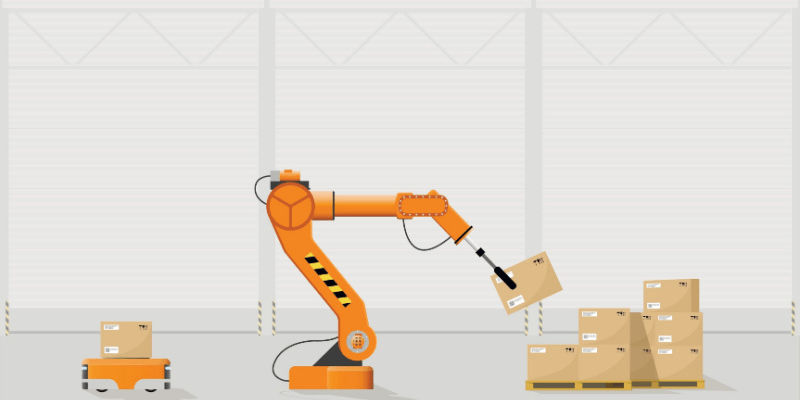
Before we dive into the features, let’s first understand what AI-powered inventory management entails. AI-powered inventory management systems leverage machine learning algorithms to analyze vast amounts of data and make informed decisions about inventory levels, replenishment, and demand forecasting. By continuously learning from historical data and real-time inputs, these systems can adapt to changing market conditions and optimize inventory levels to meet customer demand while minimizing costs.
The Role of AI in Inventory Management
AI plays a critical role in inventory management by enabling businesses to:
- Predict demand with greater accuracy
- Optimize inventory levels in real-time
- Automate replenishment processes
- Identify trends and patterns in supply chain data
- Improve overall operational efficiency
Now, let’s explore the key features of AI-powered inventory management systems in detail:
1. Predictive Demand Forecasting
One of the primary features of AI-powered inventory management is predictive demand forecasting. These systems analyze historical sales data, market trends, and other relevant factors to forecast future demand with unprecedented accuracy. By predicting demand fluctuations in advance, businesses can optimize inventory levels, reduce stockouts, and improve customer satisfaction.
2. Dynamic Inventory Optimization
AI-powered inventory management systems dynamically optimize inventory levels based on real-time data, demand patterns, and supply chain constraints. These systems continuously monitor inventory levels, sales data, and lead times to adjust stocking levels, reorder points, and safety stock levels accordingly. By optimizing inventory levels, businesses can minimize carrying costs, reduce stockouts, and maximize profitability.
3. Automated Replenishment
Another essential feature of AI-powered inventory management is automated replenishment. These systems automatically generate purchase orders, schedule deliveries, and optimize inventory allocation based on demand forecasts and inventory levels. By automating replenishment processes, businesses can improve efficiency, reduce human errors, and ensure timely stock replenishment.
4. Demand Sensing and Real-time Insights
AI-powered inventory management systems enable demand sensing capabilities, allowing businesses to detect changes in demand patterns and market dynamics in real-time. These systems analyze various data sources, including point-of-sale data, social media trends, and weather forecasts, to identify emerging demand trends and adjust inventory levels accordingly. By leveraging real-time insights, businesses can respond quickly to changing market conditions, minimize stockouts, and capitalize on new opportunities.
Benefits of AI-Powered Inventory Management
The adoption of AI-powered inventory management systems offers numerous benefits for businesses, including:
– Improved Forecasting Accuracy
AI-powered inventory management systems provide more accurate demand forecasts by analyzing vast amounts of data and identifying hidden patterns and trends. By predicting demand fluctuations with greater accuracy, businesses can optimize inventory levels, reduce stockouts, and improve overall operational efficiency.
– Increased Efficiency and Productivity
AI automates routine tasks such as demand forecasting, replenishment planning, and order processing, freeing up valuable time and resources for more strategic activities. By reducing manual intervention and streamlining workflows, businesses can improve efficiency, reduce costs, and increase productivity.
– Enhanced Decision-Making
AI-powered inventory management systems provide businesses with actionable insights and recommendations based on real-time data and predictive analytics. By leveraging these insights, businesses can make more informed decisions, mitigate risks, and capitalize on emerging opportunities.
– Greater Agility and Adaptability
AI enables businesses to build agile and adaptable inventory management systems that can quickly respond to changing market conditions, customer preferences, and supply chain disruptions. By leveraging real-time data and predictive analytics, businesses can adjust inventory levels, optimize replenishment processes, and minimize risks in real-time.
Conclusion
AI-powered inventory management systems offer a wide range of features and benefits for businesses looking to optimize their inventory management processes. From predictive demand forecasting to automated replenishment and real-time insights, these systems enable businesses to streamline operations, reduce costs, and improve customer satisfaction. As AI continues to evolve, we can expect to see further advancements in inventory management technology, driving greater efficiency, accuracy, and overall business performance.
In conclusion, businesses that embrace AI-powered inventory management systems stand to gain a competitive edge in today’s dynamic business environment. By leveraging the features and capabilities of AI, businesses can optimize their inventory management processes, reduce costs, and drive sustainable growth in the long term.


 B'yondAI
Leave a comment