The integration of Artificial Intelligence (AI) in customer support is transforming how businesses interact with their customers. AI’s capabilities extend beyond basic automation to providing personalized, efficient, and proactive support. This article delves into various applications of AI in customer support, showcasing how this technology is revolutionizing customer service.
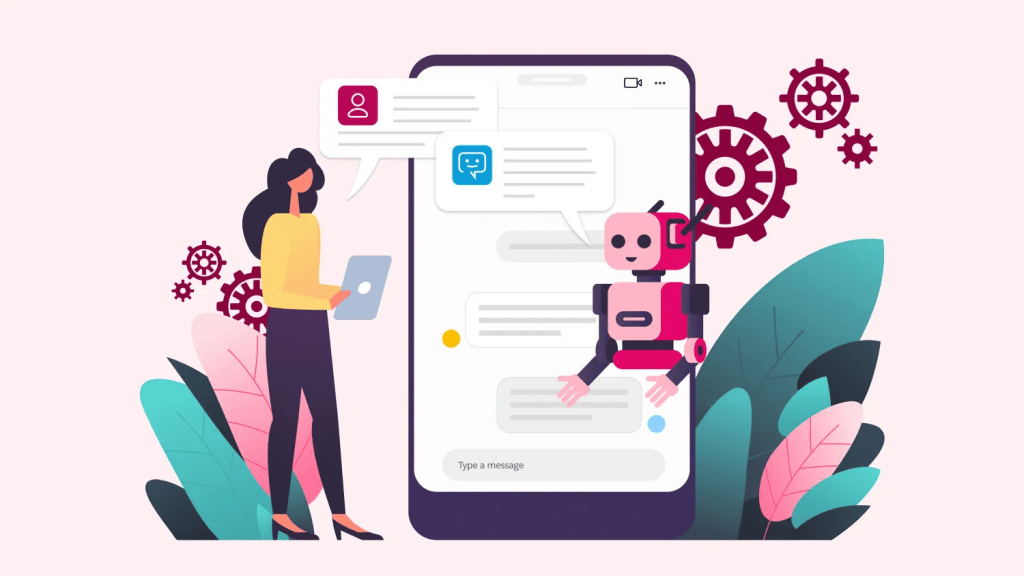
The Role of AI in Customer Support
Enhancing Efficiency and Productivity
AI enhances efficiency by automating routine tasks, allowing human agents to focus on more complex issues. This leads to higher productivity and more effective AI customer support operations.
Improving Customer Experience
AI provides instant, accurate, and personalized responses, improving the overall customer experience. This technology ensures that customers receive timely and relevant support, leading to higher satisfaction and loyalty.
Cost-Effective Solutions
By automating numerous support functions, AI reduces operational costs. Businesses can handle larger volumes of inquiries with fewer resources, making AI a cost-effective solution for customer support.
Key Applications of AI in Customer Support
1. AI-Powered Chatbots
Instant Responses and 24/7 Availability
AI-powered chatbots provide round-the-clock support, ensuring that customers can get help at any time. These chatbots can handle multiple inquiries simultaneously, offering instant responses and significantly reducing wait times.
Example: E-commerce platforms use chatbots to answer questions about product availability, order status, and return policies, enhancing the shopping experience by offering immediate support.
Managing Routine Inquiries
Chatbots are adept at handling routine inquiries that do not require human intervention. They can answer frequently asked questions, guide users through troubleshooting steps, and process transactions.
Example: Banks employ chatbots to assist customers with account balance inquiries, transaction history, and fund transfers, freeing human agents to focus on more complex issues.
2. Natural Language Processing (NLP)
Understanding and Interpreting Customer Queries
NLP enables AI systems to understand and interpret human language, providing relevant and accurate responses. This technology helps decipher the context and intent behind customer queries.
Example: Telecom companies use NLP to understand customer complaints about service disruptions, allowing the AI system to provide appropriate solutions or escalate issues to human agents if necessary.
Multilingual Support
NLP allows AI systems to support multiple languages, catering to a diverse global customer base. This capability is essential for businesses operating in international markets.
Example: Travel agencies utilize NLP to offer customer support in various languages, helping clients book flights, accommodations, and tours seamlessly, regardless of their language preference.
3. Sentiment Analysis
Detecting Customer Emotions
Sentiment analysis enables AI to detect the emotional tone of customer interactions. By analyzing the sentiment, businesses can prioritize responses and provide more empathetic support.
Example: E-commerce platforms use sentiment analysis to identify dissatisfied customers based on their feedback and comments, ensuring that negative experiences are promptly addressed.
Personalizing Interactions
Understanding customer emotions helps AI tailor its responses to improve the overall interaction. Personalized responses can lead to higher customer satisfaction and loyalty.
Example: Hospitality companies use sentiment analysis to detect when a guest is unhappy with their stay, allowing them to offer personalized solutions, such as room upgrades or complimentary services.
4. Predictive Analytics
Anticipating Customer Needs
Predictive analytics uses historical data to forecast future customer behavior and needs. This allows businesses to proactively address potential issues before they arise.
Example: Subscription services use predictive analytics to identify customers who are likely to cancel their subscriptions and offer personalized retention campaigns to retain them.
Enhancing Customer Retention
By anticipating issues and addressing them proactively, predictive analytics helps businesses improve customer retention rates and reduce churn.
Example: Telecom providers use predictive analytics to predict when customers might experience service outages and inform them in advance, reducing frustration and enhancing trust.
5. Automated Ticketing Systems
Streamlining Support Operations
AI automates the ticketing process by categorizing and prioritizing customer inquiries. This automation ensures that tickets are routed to the appropriate department or agent, improving response times and efficiency.
Example: IT helpdesks implement AI-driven ticketing systems that automatically classify issues based on urgency and complexity, ensuring that critical issues are addressed promptly.
Reducing Human Error
Automated ticketing reduces the chances of human error in ticket classification and routing. This ensures that customer issues are handled accurately and efficiently.
Example: Healthcare providers use AI to categorize patient inquiries and route them to the relevant departments, minimizing errors and ensuring timely support.
6. Personalized Customer Support
Leveraging Customer Data
AI analyzes customer data to provide highly personalized support. By remembering past interactions and preferences, AI can tailor responses to meet individual customer needs.
Example: Online retailers use AI to analyze customer purchase history and browsing behavior, providing personalized recommendations and solutions based on past interactions.
Building Stronger Relationships
Personalized support helps build stronger relationships with customers by making them feel valued and understood. This approach fosters loyalty and encourages repeat business.
Example: Financial services firms use AI to offer personalized financial advice and product recommendations based on a client’s transaction history and financial goals.
7. AI-Enhanced Self-Service Options
Empowering Customers
AI-driven self-service options allow customers to find solutions independently. These tools include interactive FAQs, virtual assistants, and intelligent knowledge bases that provide accurate and timely information.
Example: Software companies offer AI-enhanced knowledge bases where customers can search for solutions to common issues, reducing the need for direct support and empowering customers to solve problems on their own.
Reducing Support Load
Effective self-service options reduce the load on customer support teams, allowing them to focus on more complex and high-value tasks.
Example: Telecommunications providers use AI-driven self-service portals to help customers manage their accounts, troubleshoot connectivity issues, and access billing information without needing to contact support agents.
8. Voice Assistants
Enhancing Customer Interaction
Voice assistants powered by AI provide a more natural and engaging way for customers to interact with support services. They can handle a wide range of tasks, from answering queries to managing appointments.
Example: Healthcare providers use AI voice assistants to schedule appointments, remind patients of their upcoming visits, and answer health-related questions.
Improving Accessibility
Voice assistants make customer support more accessible, particularly for individuals who may have difficulty using traditional text-based interfaces.
Example: Smart home device companies use AI voice assistants to guide customers through setup processes, troubleshoot issues, and provide product information, enhancing user experience and accessibility.
9. Advanced Reporting and Analytics
Gaining Insights from Data
AI provides advanced reporting and analytics capabilities, enabling businesses to gain insights from customer interactions. These insights help in understanding customer behavior, identifying trends, and making data-driven decisions.
Example: Retail companies use AI analytics to track customer interactions across different channels, identifying common pain points and areas for improvement in their support processes.
Optimizing Support Strategies
By analyzing data, businesses can optimize their support strategies, improving efficiency and effectiveness. AI helps in identifying bottlenecks, measuring performance, and implementing best practices.
Example: Financial institutions use AI to analyze support ticket data, identifying patterns and trends that help in refining their customer support strategies and improving overall service quality.
Benefits of AI in Customer Support
Improved Efficiency and Productivity
AI enhances the efficiency of customer support by automating routine tasks and streamlining workflows. This allows human agents to focus on more complex issues, increasing overall productivity.
Enhanced Customer Satisfaction
The instant, accurate, and personalized responses provided by AI systems lead to higher customer satisfaction. Customers appreciate quick resolutions and tailored interactions, which contribute to a positive support experience.
Cost Savings
By automating various support functions, AI reduces the need for large support teams, leading to significant cost savings. Businesses can allocate resources more effectively and invest in other areas of growth.
Scalability
AI-powered customer support systems can easily scale to handle increasing volumes of inquiries without compromising quality. This scalability ensures businesses can maintain high support standards as they grow.
Challenges and Considerations
Data Privacy and Security
With AI handling sensitive customer data, ensuring robust data privacy and security measures is crucial. Businesses must implement stringent data protection protocols to safeguard customer information and maintain trust.
Balancing Automation and Human Touch
While AI offers numerous benefits, maintaining the human touch in customer support is essential. Businesses must find the right balance between automation and human interaction to ensure customers feel valued and understood.
Continuous Improvement
AI systems require continuous monitoring, training, and updating to remain effective. Businesses must invest in regular training and optimization of AI models to ensure they deliver accurate and relevant support.
Conclusion
AI is revolutionizing customer support by providing intelligent, efficient, and personalized assistance. From AI-powered chatbots and NLP to sentiment analysis, predictive analytics, automated ticketing systems, personalized interactions, self-service options, voice assistants, and advanced reporting and analytics, the applications of AI in customer support are vast and transformative. By leveraging these technologies, businesses can enhance customer satisfaction, improve operational efficiency, achieve significant cost savings, and gain valuable insights into customer behavior.
However, it is essential to address challenges related to data privacy, balancing automation with the human touch, and continuous improvement to fully realize the potential of AI in customer support. As AI technology continues to evolve, its impact on customer support will only grow, paving the way for a future of exceptional customer experiences.


Leave a Reply