In today’s competitive landscape, accurate demand forecasting is crucial for businesses to optimize inventory management, streamline operations, and enhance customer satisfaction. Artificial Intelligence (AI) has revolutionized demand forecasting by enabling organizations to leverage advanced algorithms and big data analytics to predict market trends with unprecedented precision. This article explores the essential features, benefits, applications, challenges, and future trends of AI-powered demand forecasting.
Introduction to AI-Powered Demand Forecasting
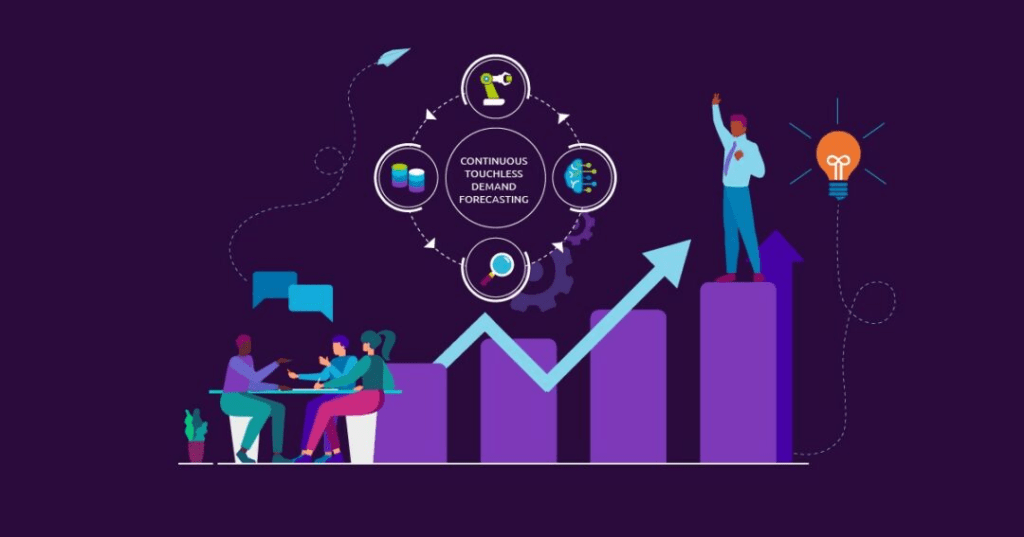
AI-powered demand forecasting integrates machine learning algorithms, predictive analytics, and big data processing to analyze historical data patterns and predict future demand. By automating data analysis and decision-making processes, AI empowers businesses to make informed strategic decisions and adapt quickly to market changes.
The Role of AI in Modern Demand Forecasting
Traditionally, demand forecasting relied on statistical methods and historical data analysis. AI enhances this process by:
- Machine Learning Algorithms: Utilizing algorithms like neural networks, decision trees, and ensemble methods to learn from data patterns and improve forecast accuracy.
- Big Data Analytics: Processing large volumes of structured and unstructured data from diverse sources such as sales records, customer interactions, and market trends.
Importance of AI-Powered Forecasting Features
AI-powered demand forecasting offers several key features that drive its adoption and effectiveness:
- Enhanced Accuracy: Predicting demand with higher precision to minimize forecasting errors and optimize inventory levels.
- Real-Time Insights: Providing timely analysis of market dynamics and consumer behavior to enable proactive decision-making.
- Scalability: Handling large datasets and complex calculations efficiently, scaling with business growth and increasing data volumes.
Essential Features of AI-Powered Demand Forecasting
AI-powered demand forecasting platforms offer a range of features designed to enhance forecasting accuracy, operational efficiency, and strategic planning capabilities:
1. Advanced Predictive Models
- Deep Learning Algorithms: Deploying deep neural networks for complex pattern recognition and forecasting in time-series data.
- Ensemble Methods: Combining multiple algorithms to improve forecast accuracy and robustness across different scenarios.
2. Real-Time Data Processing
- Streaming Analytics: Processing real-time data streams to capture immediate market changes and consumer trends.
- Dynamic Updating: Adjusting forecasts in response to new data inputs and evolving market conditions.
3. Predictive Analytics and Prescriptive Insights
- Prescriptive Analytics: Offering actionable recommendations based on forecasted outcomes to optimize business strategies.
- Causal Inference: Identifying cause-and-effect relationships to understand drivers of demand and predict future trends.
4. Integration with IoT and Sensor Data
- IoT Integration: Incorporating IoT devices and sensor data to gather real-time information on product usage and environmental factors.
- Data Fusion: Integrating IoT data with AI algorithms for enhanced predictive accuracy and operational insights.
5. Cloud-Based Solutions and Scalable Infrastructure
- Cloud Computing: Leveraging cloud platforms for secure data storage, processing, and seamless scalability.
- Scalable Architecture: Designing flexible infrastructure to handle varying data volumes and computational demands.
6. Natural Language Processing (NLP) and Sentiment Analysis
- Text Mining: Analyzing textual data from customer reviews, social media, and surveys to gauge consumer sentiment and preferences.
- Sentiment Analysis: Incorporating NLP techniques to understand customer feedback and adjust forecasts accordingly.
Applications Across Industries
AI-powered demand forecasting is transforming various industries by providing tailored solutions and industry-specific applications:
1. Retail and E-Commerce
- Inventory Optimization: Predicting demand for products and optimizing stock levels to reduce overstock and stockouts.
- Dynamic Pricing: Adjusting pricing strategies based on demand forecasts and competitive intelligence.
2. Manufacturing and Supply Chain Management
- Production Planning: Forecasting demand for raw materials and components to optimize manufacturing schedules and reduce lead times.
- Supply Chain Visibility: Enhancing transparency and efficiency across the supply chain to mitigate risks and disruptions.
3. Financial Services and Investment Management
- Portfolio Management: Predicting market trends and investor behavior to optimize investment strategies and maximize returns.
- Risk Assessment: Analyzing financial data to forecast demand for financial products and mitigate investment risks.
4. Healthcare and Pharmaceuticals
- Drug Supply Chain Management: Forecasting demand for medications and medical supplies to ensure availability and optimize healthcare delivery.
- Patient Care: Predicting patient volumes and healthcare service utilization to allocate resources effectively and improve patient outcomes.
5. Hospitality and Travel
- Revenue Management: Forecasting demand for hotel rooms, flights, and travel packages to optimize pricing and maximize revenue.
- Event Planning: Anticipating demand for event venues, catering services, and entertainment options to meet customer expectations.
Challenges and Considerations
While AI-powered demand forecasting offers significant benefits, organizations must address several challenges:
1. Data Quality and Integration
- Data Complexity: Managing diverse datasets and ensuring data accuracy, completeness, and relevance for reliable forecasts.
- Data Integration: Integrating data from multiple sources and systems to provide a unified view for forecasting.
2. Algorithmic Bias and Transparency
- Bias Mitigation: Identifying and addressing biases in AI algorithms that may skew forecasts and lead to inaccurate predictions.
- Explainability: Ensuring transparency and interpretability of AI models to build trust and facilitate regulatory compliance.
3. Skills and Talent Development
- Skill Shortages: Recruiting and retaining skilled data scientists, AI engineers, and domain experts with expertise in demand forecasting.
- Training Programs: Providing ongoing training and development to enhance AI literacy and proficiency among employees.
4. Ethical and Regulatory Compliance
- Data Privacy: Protecting consumer data and complying with data protection regulations (e.g., GDPR, CCPA) to safeguard privacy rights.
- Ethical Use: Adhering to ethical AI practices and guidelines to prevent misuse or discriminatory outcomes based on forecasts.
Future Trends and Strategic Insights
Looking ahead, the future of AI-powered demand forecasting is characterized by continuous innovation and strategic imperatives:
1. AI-Driven Automation and Decision-Making
- Autonomous Systems: Integrating AI-powered automation into decision-making processes to enhance agility and responsiveness.
- Continuous Learning: Implementing AI models that learn from new data inputs and adapt to changing market dynamics in real-time.
2. Enhanced Personalization and Customer Experience
- Personalized Recommendations: Using AI insights to deliver personalized product recommendations and marketing campaigns.
- Customer Satisfaction: Improving customer retention and loyalty through tailored experiences based on predictive analytics.
3. Collaboration and Knowledge Sharing
- Industry Partnerships: Collaborating with peers, academia, and technology providers to advance AI research and innovation.
- Open Innovation: Embracing open-source AI frameworks and platforms to accelerate development and deployment of AI-driven solutions.
Conclusion
AI-powered demand forecasting is revolutionizing business strategies by providing actionable insights, optimizing operations, and driving competitive advantage in dynamic markets. By leveraging advanced technologies such as machine learning, predictive analytics, IoT integration, and cloud computing, organizations can navigate uncertainties and capitalize on emerging opportunities with confidence.
As businesses embark on their AI journey, addressing challenges related to data quality, algorithmic bias, skills development, and regulatory compliance will be essential. By fostering a culture of innovation, collaboration, and ethical AI practices, organizations can unlock the full potential of AI-powered demand forecasting to achieve strategic objectives and sustain long-term growth in the global marketplace.


 B'yondAI
Leave a comment