Introduction
In the era of Industry 4.0, artificial intelligence (AI) agents are revolutionizing manufacturing by enhancing efficiency, productivity, and innovation. This comprehensive article explores diverse applications where AI agents demonstrate their transformative impact across various facets of manufacturing processes. From predictive maintenance and quality control to supply chain optimization and beyond, AI agents are reshaping industry norms and driving the evolution towards smart manufacturing ecosystems.
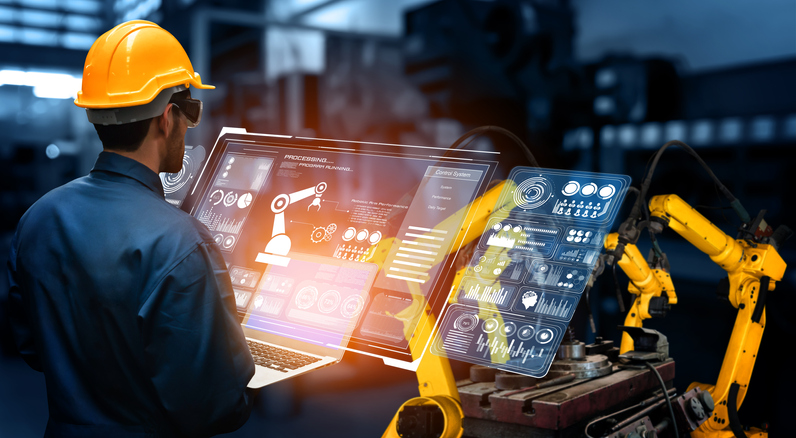
Predictive Maintenance: Ensuring Operational Continuity
Predictive maintenance remains a cornerstone application of AI agents in manufacturing, leveraging advanced analytics and machine learning to predict equipment failures before they occur. By analyzing historical data, sensor inputs, and operational parameters, AI agents detect anomalies and performance degradation patterns. This proactive approach minimizes unplanned downtime, optimizes maintenance schedules, and extends the lifespan of critical machinery—enabling manufacturers to achieve higher operational reliability and cost savings.
Case Study: Automotive Manufacturing
In automotive manufacturing, AI agents monitor the performance of robotic assembly lines and machining centers. These agents analyze sensor data in real-time to predict potential equipment failures. By scheduling maintenance during non-production hours based on predictive insights, manufacturers reduce downtime, optimize productivity, and maintain stringent production schedules—essential for meeting consumer demand and ensuring product quality.
Quality Control and Assurance: Upholding Product Excellence
AI agents elevate quality control processes in manufacturing through advanced machine vision and deep learning algorithms. These agents inspect products with precision, identifying defects, anomalies, and deviations that may impact product quality. By automating inspection tasks and analyzing vast datasets of visual information, AI agents ensure consistent product quality, minimize defects, and uphold brand reputation—critical factors in industries such as electronics, pharmaceuticals, and consumer goods.
Case Study: Electronics Manufacturing
In electronics manufacturing, AI-powered vision systems inspect printed circuit boards (PCBs), semiconductor components, and electronic assemblies. These systems detect microscopic defects, soldering irregularities, and component misalignments that affect product functionality and reliability. By conducting comprehensive inspections faster and more accurately than human inspectors, AI agents improve yield rates, reduce waste, and enhance production efficiency—enabling manufacturers to deliver high-quality products that meet stringent industry standards.
Supply Chain Optimization: Enhancing Efficiency and Resilience
Optimizing supply chain operations is paramount for manufacturing competitiveness and responsiveness to market demands. AI agents optimize supply chain management by analyzing diverse datasets—such as supplier performance metrics, inventory levels, and demand forecasts. Using predictive analytics and machine learning capabilities, these agents improve inventory management, streamline procurement processes, and mitigate supply chain risks. Manufacturers gain agility to adapt swiftly to market fluctuations, reduce lead times, and optimize overall operational efficiency—essential for industries with complex global supply chains.
Case Study: Food and Beverage Manufacturing
In food and beverage manufacturing, AI agents optimize inventory levels of perishable ingredients and finished products. These agents analyze sales data, seasonal trends, and supplier lead times to forecast demand accurately. By automating replenishment orders and inventory adjustments, AI agents minimize stockouts, reduce excess inventory costs, and ensure freshness and availability of products—enabling manufacturers to meet consumer demand efficiently while optimizing supply chain costs and logistics.
Energy Management: Promoting Sustainability and Cost Efficiency
Managing energy consumption effectively is critical for reducing operational costs and minimizing environmental impact in manufacturing facilities. AI agents contribute to sustainability initiatives by monitoring energy usage patterns, identifying inefficiencies, and recommending energy-saving measures. Through real-time data analysis and predictive modeling, these agents optimize equipment schedules, adjust HVAC settings, and integrate with smart grid technologies to reduce energy consumption and carbon footprints. Manufacturers achieve significant cost savings, comply with regulatory standards, and enhance corporate sustainability efforts—essential for industries committed to environmental stewardship and resource conservation.
Case Study: Industrial Manufacturing
In industrial manufacturing settings, AI agents optimize energy usage across production lines, lighting systems, and climate control systems. These agents adjust energy consumption based on real-time production demands, occupancy patterns, and environmental conditions. By implementing demand response strategies and energy-efficient practices, AI agents improve operational efficiency, reduce utility costs, and support green building certifications—demonstrating a commitment to sustainable manufacturing practices and corporate social responsibility.
Robotics Integration: Augmenting Automation and Collaboration
The integration of AI with robotics represents a transformative shift in manufacturing automation, enhancing operational efficiency and workforce collaboration. AI-powered robots, or cobots, equipped with sensory capabilities and adaptive algorithms, perform complex tasks alongside human operators. These robots handle assembly, packaging, and material handling tasks with precision and flexibility—improving production throughput, reducing cycle times, and ensuring workplace safety. By augmenting human capabilities and automating repetitive tasks, AI-driven robotics systems optimize workforce productivity, reduce labor costs, and enable manufacturers to achieve scalable production capabilities.
Case Study: Aerospace Manufacturing
In aerospace manufacturing, AI-powered robotics assist in assembling aircraft components and conducting precise inspections. These cobots operate in confined spaces and hazardous environments, executing tasks with high accuracy and consistency. By integrating with digital twin simulations and AI analytics, these robots enhance manufacturing precision, ensure compliance with aerospace regulations, and reduce assembly time—critical for meeting stringent safety standards and delivering high-performance aerospace products.
Data-Driven Decision Making: Empowering Strategic Insights
AI agents empower manufacturing decision-makers with actionable insights derived from comprehensive data analysis. These agents analyze production metrics, market trends, and consumer behavior patterns to inform strategic decision-making. By generating predictive models, scenario analyses, and real-time dashboards, AI agents enable manufacturers to optimize resource allocation, identify growth opportunities, and mitigate operational risks. Manufacturers gain competitive advantages by making informed decisions swiftly, fostering continuous improvement, and adapting strategies to dynamic market conditions.
Case Study: Pharmaceutical Manufacturing
In pharmaceutical manufacturing, AI agents analyze clinical trial data, drug efficacy studies, and supply chain logistics. These agents predict demand for pharmaceutical products, optimize production schedules, and ensure regulatory compliance. By integrating AI with predictive analytics, manufacturers streamline drug development processes, reduce time-to-market for new medications, and meet global healthcare demands—facilitating access to critical medications and improving patient outcomes worldwide.
Future Trends and Innovations
Looking forward, the future of AI agents in manufacturing promises continued innovation and advancements. Emerging technologies such as edge computing, AIoT (AI + IoT), and digital twins will expand AI capabilities in manufacturing environments. These advancements will enable real-time data processing, autonomous decision-making, and adaptive manufacturing systems—ushering in an era of smart factories and interconnected supply chains. Manufacturers will leverage AI-driven solutions to drive operational excellence, foster innovation, and navigate complexities in an increasingly competitive global market.
Conclusion
The applications of AI agents in manufacturing are diverse and far-reaching, transforming industry practices, operational efficiencies, and strategic advantages. By harnessing the power of artificial intelligence, manufacturers unlock new opportunities for innovation, sustainability, and growth. As AI technology continues to evolve, its integration into manufacturing processes will redefine production standards, empower workforce collaboration, and drive economic prosperity on a global scale.
Final Thoughts
The widespread adoption of AI agents in manufacturing underscores their role as catalysts for efficiency, innovation, and resilience. By embracing AI-driven solutions, manufacturers embark on a transformative journey towards smarter, more adaptive production systems—where intelligent technologies and human ingenuity converge to shape the future of manufacturing excellence.


 B'yondAI
Leave a comment