Introduction
Artificial Intelligence (AI) has become a transformative force in the modern business landscape, driving efficiency, accuracy, and innovation in decision-making processes. From healthcare and finance to retail and manufacturing, AI-based decision making is reshaping industries by providing data-driven insights and automating complex tasks. This article explores the diverse applications of AI-based decision making, highlighting its potential to revolutionize various sectors.
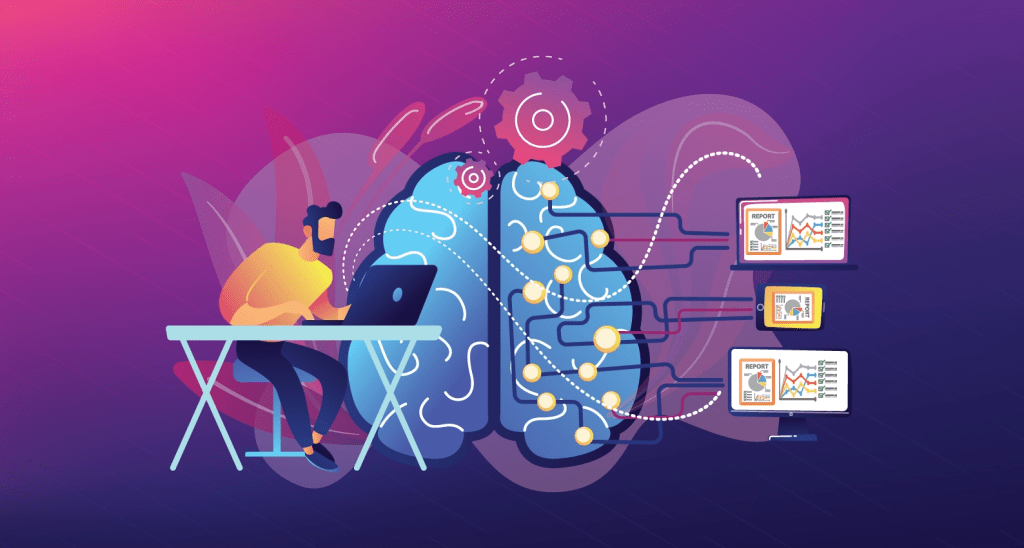
The Rise of AI-Based Decision Making
Traditional Decision Making vs. AI-Driven Decisions
Traditional decision making relies heavily on human intuition, experience, and manual data analysis, often leading to errors and biases. In contrast, AI-based decision making leverages machine learning algorithms and vast datasets to provide objective, accurate, and timely decisions, minimizing human error and cognitive biases.
The Role of Big Data and Machine Learning
Big data and machine learning are at the heart of AI-based decision making. By analyzing large volumes of data, AI systems can identify patterns, predict outcomes, and generate actionable insights, enabling businesses to make informed decisions swiftly and efficiently.
Key Applications of AI-Based Decision Making
Healthcare
Diagnostic Imaging
AI-powered diagnostic imaging systems analyze medical images such as X-rays, MRIs, and CT scans to detect anomalies with greater precision than human radiologists. These systems can identify conditions like tumors, fractures, and neurological disorders, facilitating early intervention and improving patient outcomes.
Personalized Treatment Plans
AI algorithms analyze patient data, including medical history, genetic information, and lifestyle factors, to create personalized treatment plans. This approach enhances treatment efficacy and reduces the risk of adverse reactions.
Predictive Analytics
Predictive analytics in healthcare involves using AI to forecast disease outbreaks, patient admissions, and treatment outcomes. This helps healthcare providers allocate resources more effectively and develop proactive strategies to manage patient care.
Finance
Fraud Detection
Financial institutions use AI to detect and prevent fraudulent activities. Machine learning algorithms analyze transaction patterns and flag unusual activities in real-time, protecting customers and reducing financial losses.
Investment Strategies
AI assists in developing investment strategies by analyzing market trends, economic indicators, and historical data. Robo-advisors provide personalized investment advice, helping investors make informed decisions and optimize their portfolios.
Credit Scoring
AI-based credit scoring models evaluate an individual’s creditworthiness by analyzing various data points, including payment history, income, and spending patterns. This enables lenders to make more accurate lending decisions and reduce the risk of defaults.
Retail
Inventory Management
AI optimizes inventory management by predicting demand, identifying stock shortages, and managing supply chains. Retailers can ensure they have the right products available at the right time, reducing overstock and stockouts.
Customer Personalization
AI-driven recommendation engines analyze customer preferences, purchase history, and browsing behavior to deliver personalized marketing campaigns. This enhances customer satisfaction and increases sales.
Dynamic Pricing
AI-based dynamic pricing models adjust product prices in real-time based on demand, competition, and market trends. This helps retailers maximize profits while remaining competitive.
Manufacturing
Predictive Maintenance
AI-driven predictive maintenance systems monitor equipment performance and predict potential failures before they occur. This proactive approach reduces downtime, extends machinery lifespan, and saves costs.
Quality Control
AI-powered quality control systems use computer vision and machine learning to inspect products for defects during the manufacturing process. This ensures consistent product quality and reduces waste.
Supply Chain Optimization
AI optimizes supply chain operations by forecasting demand, managing inventory levels, and streamlining logistics. This leads to cost savings, improved efficiency, and faster delivery times.
Human Resources
Recruitment
AI streamlines the recruitment process by analyzing resumes, assessing candidate fit, and predicting employee performance. Applicant tracking systems (ATS) identify the best candidates, reducing hiring time and improving the quality of hires.
Employee Engagement
AI-driven decision making helps HR departments develop strategies to improve employee engagement and satisfaction by analyzing feedback, performance metrics, and workplace trends.
Workforce Planning
AI-based workforce planning tools forecast staffing needs, optimize shift schedules, and identify skill gaps. This helps organizations allocate resources effectively and maintain operational efficiency.
Supply Chain Management
Demand Forecasting
AI improves demand forecasting by analyzing market trends, consumer behavior, and external factors. Accurate demand forecasting helps businesses optimize inventory levels, reduce costs, and meet customer demand effectively.
Logistics Optimization
AI enhances logistics by optimizing delivery routes, predicting maintenance needs, and improving supply chain visibility. This leads to faster delivery times, reduced transportation costs, and improved overall efficiency.
Supplier Risk Management
AI systems assess supplier performance and identify potential risks by analyzing historical data and market conditions. This enables businesses to develop contingency plans and mitigate supply chain disruptions.
Benefits of AI-Based Decision Making
Enhanced Accuracy
AI systems analyze large datasets with high precision, reducing the risk of human error and ensuring more accurate decisions.
Speed and Efficiency
AI processes data at high speeds, enabling quicker decision making and allowing businesses to respond promptly to changing market conditions.
Cost Reduction
AI automates routine tasks and optimizes processes, reducing operational costs and allowing businesses to allocate resources more effectively.
Objective Analysis
AI-driven decisions are based on data and algorithms, minimizing the influence of cognitive biases and ensuring more objective and consistent outcomes.
Scalability
AI systems can handle large volumes of data and complex calculations, making them scalable solutions for businesses of all sizes.
Challenges and Considerations
Data Quality and Privacy
High-quality data is essential for effective AI-driven decision making. Ensuring data accuracy, integrity, and privacy is crucial to maximizing AI’s potential.
Bias in AI Algorithms
AI systems can inherit biases present in the training data, leading to biased decisions. Ensuring diversity and fairness in data sets is crucial to mitigating this risk.
Integration with Existing Systems
Integrating AI with existing systems can be complex and costly. Businesses must plan carefully and allocate resources for a smooth integration process.
Ethical and Regulatory Concerns
The use of AI raises ethical and regulatory concerns, such as data privacy, transparency, and accountability. Businesses must adhere to ethical guidelines and comply with regulations to build trust and ensure responsible AI use.
Future Prospects of AI-Based Decision Making
Continued Advancements in AI Technology
AI technology is continually evolving, with advancements in machine learning, natural language processing, and data analytics. These developments will further enhance the capabilities of AI-driven decision making.
Increased Adoption Across Industries
As AI becomes more accessible and affordable, its adoption across various industries will increase. Businesses of all sizes will leverage AI to gain a competitive edge and improve decision making.
Integration with Other Technologies
AI will increasingly integrate with other emerging technologies such as the Internet of Things (IoT), blockchain, and quantum computing. This will create new opportunities and enhance the impact of AI-driven decision making.
Ethical AI
The focus on ethical AI will grow, with businesses and regulators working together to ensure AI systems are fair, transparent, and accountable. This will build trust and encourage wider adoption.
AI in Strategic Planning
AI will play a more significant role in strategic planning by providing deeper insights and more accurate forecasts. This will enable businesses to develop more effective long-term strategies and adapt to changing market conditions.
Best Practices for Implementing AI-Based Decision Making
Start with Clear Objectives
Define clear objectives and outcomes for implementing AI-driven decision making. Understanding what you want to achieve will help in selecting the right AI tools and ensuring a successful implementation.
Ensure Data Quality
High-quality data is essential for effective AI-driven decision making. Invest in data cleaning, integration, and management to ensure your AI systems have access to accurate and comprehensive data.
Invest in Talent and Training
Hire skilled professionals and provide training to your existing team. This includes data scientists, AI specialists, and business analysts who can work together to implement and optimize AI-driven decision making.
Foster a Culture of Innovation
Encourage a culture of innovation and experimentation within your organization. This includes being open to new ideas, embracing change, and continuously seeking ways to improve decision making through AI.
Monitor and Evaluate
Regularly monitor and evaluate the performance of your AI systems. This includes tracking key metrics, gathering feedback, and making necessary adjustments to ensure continuous improvement.
Conclusion
The applications of AI-based decision making are vast and varied, spanning across healthcare, finance, retail, manufacturing, human resources, and supply chain management. By leveraging AI, businesses can enhance accuracy, efficiency, and strategic planning. Despite the challenges, the future of AI-driven decision making is promising, with continued advancements and increased adoption expected. By implementing best practices and staying abreast of technological developments, businesses can harness the power of AI to unlock new opportunities and achieve sustained success. Embrace the potential of AI-driven decision making to stay ahead in the competitive market and drive innovation within your organization.


Leave a comment