Conversational AI is reshaping interactions between businesses and their customers, offering innovative solutions that enhance communication, automate tasks, and streamline operations. From basic rule-based chatbots to advanced virtual assistants, conversational AI comes in various forms, each designed to meet specific needs and use cases.
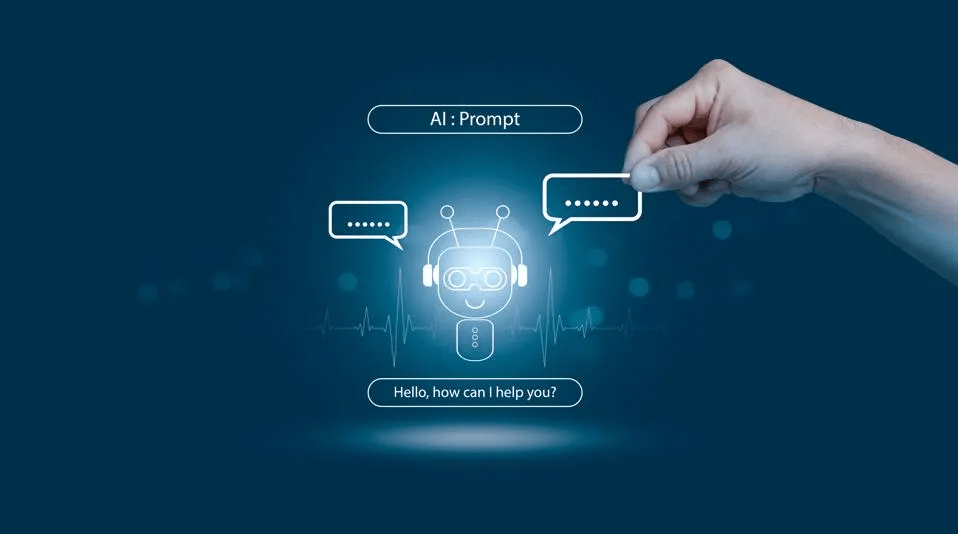
In this article, we will explore the different types of conversational AI, their unique features, and how they are transforming industries.
Introduction to Conversational AI
Conversational AI refers to technologies that enable machines to engage in human-like conversations. These systems leverage artificial intelligence, including Natural Language Processing (NLP) and machine learning, to understand and respond to user inputs in a natural and intuitive way. The evolution of conversational AI has led to the development of various types, each suited to different applications and requirements.
Types of Conversational AI
1. Rule-Based Chatbots
Overview of Rule-Based Chatbots
Rule-based chatbots are the simplest form of conversational AI. They operate based on predefined rules and scripts, which determine how they respond to user inputs. These chatbots follow a linear flow, providing responses based on a fixed set of instructions programmed by their developers.
Key Features
- Scripted Responses: Rule-based chatbots provide responses based on pre-defined scripts. They can only answer questions or handle queries that match the rules set by their developers.
- Limited Flexibility: They are limited in their ability to handle unexpected inputs or complex queries. Their responses are rigid and do not adapt to variations in user input.
Common Applications
Rule-based chatbots are commonly used in:
- Customer Support: Answering frequently asked questions and providing basic information.
- Guiding Users: Navigating users through processes, such as booking appointments or completing forms.
2. AI-Powered Chatbots
Introduction to AI-Powered Chatbots
AI-powered chatbots use advanced technologies such as machine learning and Natural Language Processing (NLP) to understand and respond to user inputs more dynamically. Unlike rule-based chatbots, these systems can handle a broader range of queries and adapt to different contexts.
Key Features
- Contextual Understanding: AI-powered chatbots understand the context of a conversation, allowing them to provide more relevant and accurate responses.
- Learning Capabilities: These chatbots improve over time by learning from past interactions and user feedback, becoming more effective with continued use.
Common Applications
AI-powered chatbots are ideal for:
- Customer Service: Handling a variety of customer inquiries with personalized responses.
- Lead Generation: Engaging potential customers and qualifying leads based on their interactions.
3. Virtual Assistants
What Are Virtual Assistants?
Virtual assistants are sophisticated conversational AI systems that perform a wide range of tasks beyond simple chat interactions. Examples include Google Assistant, Amazon Alexa, and Apple’s Siri. These assistants are integrated with various services and devices, offering comprehensive support.
Key Features
- Voice Recognition: Virtual assistants process voice commands and interact with users through speech, making them suitable for hands-free operation.
- Task Automation: They can perform tasks such as setting reminders, controlling smart home devices, and providing real-time information.
Common Applications
Virtual assistants are used for:
- Personal Assistance: Managing schedules, sending messages, and providing updates on weather and news.
- Smart Home Integration: Controlling home automation systems and offering voice-activated convenience.
4. Hybrid AI Systems
What Are Hybrid AI Systems?
Hybrid AI systems combine elements of both rule-based and AI-powered chatbots to offer a more versatile solution. These systems use rule-based logic for common queries while leveraging AI capabilities for more complex interactions.
Key Features
- Versatility: Hybrid systems handle both simple and complex queries by integrating rule-based and AI-driven approaches.
- Efficient Resource Use: They use rule-based responses for routine tasks, allowing AI resources to focus on more nuanced interactions.
Common Applications
Hybrid AI systems are effective for:
- Customer Support: Providing immediate responses to frequently asked questions while managing complex issues with AI.
- E-Commerce: Assisting with product recommendations and order tracking by combining rule-based and AI-driven approaches.
5. Contextual AI
Understanding Contextual AI
Contextual AI systems focus on understanding and retaining the context of user interactions over multiple sessions. These systems are designed to maintain context and continuity, allowing for more coherent and personalized conversations.
Key Features
- Context Retention: They remember user preferences and past interactions, enabling more relevant and personalized responses.
- Personalized Experiences: Contextual AI offers tailored recommendations and solutions based on the user’s history and behavior.
Common Applications
Contextual AI is used for:
- Customer Relationship Management: Enhancing interactions by remembering customer preferences and previous interactions.
- Personalized Recommendations: Offering suggestions based on historical data and user behavior.
6. Conversational Analytics
What Is Conversational Analytics?
Conversational analytics involves analyzing interactions between users and conversational AI systems to gain insights into performance and user behavior. This data-driven approach helps in refining AI models and improving overall user experience.
Key Features
- Performance Monitoring: Tracking metrics such as response accuracy, user satisfaction, and engagement levels.
- Data-Driven Improvements: Using analytics to identify areas for enhancement and optimize conversational AI systems.
Common Applications
Conversational analytics is valuable for:
- Performance Enhancement: Improving AI responses based on user feedback and interaction data.
- Strategic Decision-Making: Informing business strategies with insights derived from user interactions.
Conclusion
Understanding the different types of conversational AI is crucial for businesses looking to enhance their digital interactions. From basic rule-based chatbots to advanced virtual assistants, each type offers unique features and applications that can be tailored to meet specific needs. By selecting the right conversational AI solution, businesses can improve customer engagement, streamline operations, and gain a competitive edge in the ever-evolving digital landscape. Whether you are implementing a simple chatbot or an advanced virtual assistant, exploring the diverse types of conversational AI will help you make informed decisions and achieve your business objectives.


Leave a comment