As artificial intelligence (AI) continues to evolve, Generative AI has become a game-changer across industries, enabling organizations to automate creative tasks, enhance decision-making, and innovate faster than ever before. The integration of Generative AI into business systems, applications, and workflows is no longer a futuristic idea—it is happening now, revolutionizing everything from product design to customer experience.
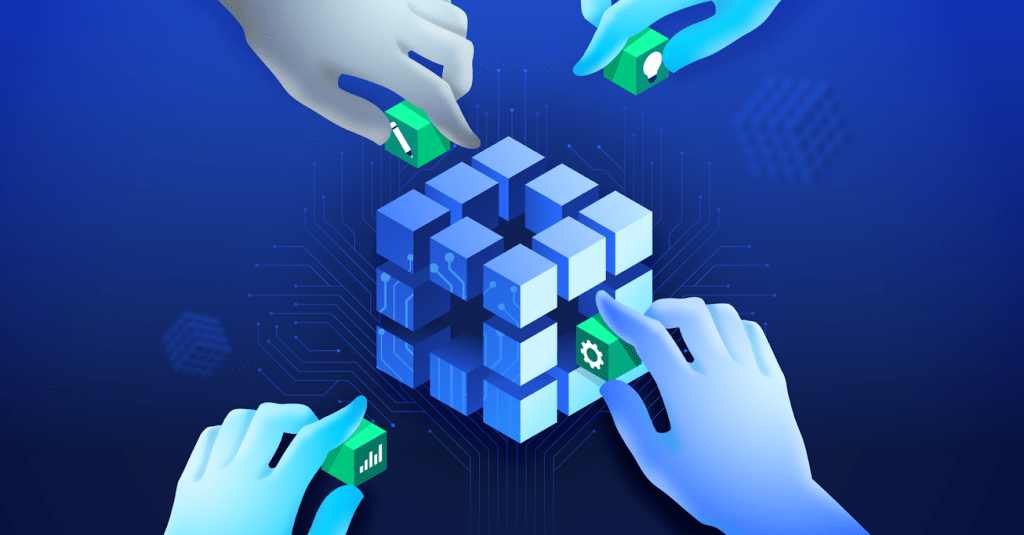
In this article, we’ll explore what Generative AI integration entails, its benefits, the steps for successful integration, and real-world examples of how organizations are leveraging this cutting-edge technology.
Introduction to Generative AI Integration
Generative AI has gained tremendous traction in recent years due to its ability to generate creative outputs that mimic human-generated content. From designing new products and creating marketing campaigns to predicting consumer behavior, Generative AI is becoming a key asset in digital transformation strategies. Integrating this powerful technology into business workflows can unlock new efficiencies and innovations.
What is Generative AI Integration?
Defining Generative AI
Generative AI refers to a subset of artificial intelligence that can generate new content, ideas, or designs based on the data it has been trained on. Unlike traditional AI, which focuses on task automation and pattern recognition, Generative AI creates something new—whether it’s text, images, designs, or even video.
The most prominent examples include:
- GPT models that generate human-like text
- DALL·E for image generation
- Music generation models that create new compositions
Key Technologies in Generative AI
Several technologies power Generative AI, including:
- Generative Adversarial Networks (GANs): Two neural networks, the generator and the discriminator, compete to produce realistic outputs, such as images or video.
- Variational Autoencoders (VAEs): Used for generating new, high-dimensional data by learning the underlying distribution of the input data.
- Transformers: Power large language models like GPT and BERT, which are adept at natural language generation tasks.
Benefits of Generative AI Integration
Integrating Generative AI into business systems offers several benefits, ranging from improved efficiency to fostering creativity.
1. Streamlined Business Processes
Generative AI can automate complex and time-consuming tasks, such as content creation, design iterations, and data analysis, reducing the manual labor needed and speeding up processes.
- Automated design generation: Businesses in industries like fashion or automotive can leverage AI to create multiple design variations in minutes.
- Content generation: Companies can automate the production of marketing content, articles, and even software code.
2. Enhanced Creativity and Innovation
By providing endless iterations and suggestions, Generative AI empowers teams to explore creative solutions and innovate faster. This is particularly valuable in industries such as architecture, product design, and entertainment.
- Innovation at scale: AI-driven models can generate novel ideas for product development, marketing strategies, and other business functions.
3. Personalization at Scale
Generative AI can help deliver hyper-personalized experiences by generating content, product suggestions, and services tailored to individual customers’ preferences.
- Personalized marketing: AI can create customized marketing campaigns based on user data, increasing engagement and conversion rates.
4. Cost Reduction and Efficiency
Generative AI minimizes the need for manual input and human intervention, resulting in cost savings and operational efficiencies.
- Resource optimization: AI can predict material usage in manufacturing, saving costs and reducing waste.
Steps for Integrating Generative AI into Business Systems
1. Identifying Use Cases
The first step in integrating Generative AI is identifying where it can add the most value. Consider areas where automation, creativity, or personalization can enhance business outcomes.
- Use case examples: Content creation, design optimization, customer support automation, and product development.
2. Data Collection and Preparation
AI models rely heavily on data to produce quality results. Collect and preprocess high-quality data relevant to your chosen use case.
- Data collection: Gather data from internal systems, customer interactions, or external sources.
- Data preprocessing: Clean and structure the data to ensure it is usable for training AI models.
3. Choosing the Right Generative AI Model
Different use cases may require different AI models. For example, text generation may call for Transformer-based models like GPT, while image generation may rely on GANs.
- Model selection: Choose a model architecture based on your business needs, whether it’s for text, images, or complex designs.
4. Training and Fine-Tuning Models
Once you’ve selected a model, train it using your collected data. Fine-tune the model to ensure it generates the desired output.
- Model training: Adjust the model parameters to optimize performance.
- Fine-tuning: Refine the model based on its real-world performance to improve accuracy.
5. Integration with Existing Systems
After training the model, integrate it into your business systems. This could involve embedding the AI into your website, software applications, or internal workflows.
- API integration: Use APIs to connect Generative AI models to existing tools and platforms.
- Real-time data pipelines: Ensure the AI model can process real-time data for instant decision-making.
6. Monitoring and Improving Performance
Monitor the model’s performance and continuously improve it to ensure it remains accurate and efficient. Update the model based on new data and user feedback.
- Performance monitoring: Track key performance indicators (KPIs) such as accuracy, efficiency, and user engagement.
- Continuous updates: Periodically retrain and update the model to keep it aligned with business needs.
Challenges in Generative AI Integration
1. Data Privacy and Security
One of the primary challenges in integrating AI is ensuring data privacy and security. Handling sensitive customer data requires compliance with data protection regulations, such as GDPR or CCPA.
- Data anonymization: Ensure that personal data is anonymized before being fed into AI models.
2. Ensuring Model Accuracy
AI models are only as good as the data they are trained on. Poor-quality data can lead to inaccurate results, which can have negative consequences for businesses.
- Data validation: Implement stringent data validation techniques to ensure model accuracy.
3. Managing AI Bias
Generative AI models can unintentionally introduce bias, especially if they are trained on biased data. This could lead to biased decisions or content generation, which can harm a brand’s reputation.
- Bias mitigation: Regularly audit AI outputs to detect and address any biases.
4. Scalability Issues
Scaling AI models to handle increasing amounts of data and tasks can be a challenge, especially for large enterprises.
- Cloud-based solutions: Use cloud computing to ensure your AI models can scale efficiently without overloading internal servers.
Real-World Applications of Generative AI Integration
1. Generative AI in Product Design
Generative AI is transforming product design by generating multiple iterations of designs, offering new approaches to product innovation, and optimizing manufacturing processes.
- Example: General Motors uses Generative AI to design car parts that are lighter, more fuel-efficient, and require fewer materials.
2. AI-Powered Marketing and Content Creation
Generative AI is enabling companies to automate the creation of marketing materials, blogs, and even entire advertising campaigns.
- Example: Coca-Cola uses AI to generate customized marketing content for various regional audiences, improving engagement.
3. Integration in Healthcare and Drug Discovery
Generative AI has significant potential in healthcare, particularly in drug discovery and personalized medicine.
- Example: BenevolentAI uses Generative AI to design novel drugs and predict molecular structures, accelerating the drug discovery process.
4. Enhancing Customer Experience with AI
Generative AI can create personalized customer experiences, from customized product recommendations to AI-driven chatbots that provide instant support.
- Example: Amazon uses Generative AI to suggest products to customers based on their browsing and purchasing history.
5. Automating Supply Chains and Manufacturing
Generative AI is optimizing supply chains by predicting demand, automating inventory management, and optimizing production processes.
- Example: Siemens integrates Generative AI into its manufacturing processes to reduce waste, predict machine failures, and optimize production.
Best Practices for Generative AI Integration
- Start Small: Begin with a pilot project to test the feasibility of AI integration before scaling across the organization.
- Collaborate with Experts: Work with AI specialists and data scientists to ensure proper model training and deployment.
- Continuously Monitor: Keep track of AI model performance and continuously improve it based on real-time data.
- Stay Compliant: Ensure that data privacy and security measures are in place to avoid legal issues.
Conclusion
Generative AI integration is transforming the way businesses operate, offering new avenues for innovation, creativity, and efficiency. By following the outlined steps and best practices, organizations can successfully integrate Generative AI into their workflows, driving digital transformation and staying ahead in a competitive market. With applications spanning from product design to customer experience, Generative AI is set to revolutionize industries for years to come.


Leave a comment