Introduction
Internal auditing has long been a cornerstone for organizations to ensure compliance, operational integrity, and financial accuracy. As the business landscape becomes more complex, driven by advancements in technology, there is a growing need for innovation in internal audit practices. Enter Generative AI, a powerful tool transforming the way internal audits are conducted. Generative AI leverages machine learning models to automate repetitive tasks, analyze massive datasets, predict risks, and offer intelligent insights—elevating internal audit processes to new heights.
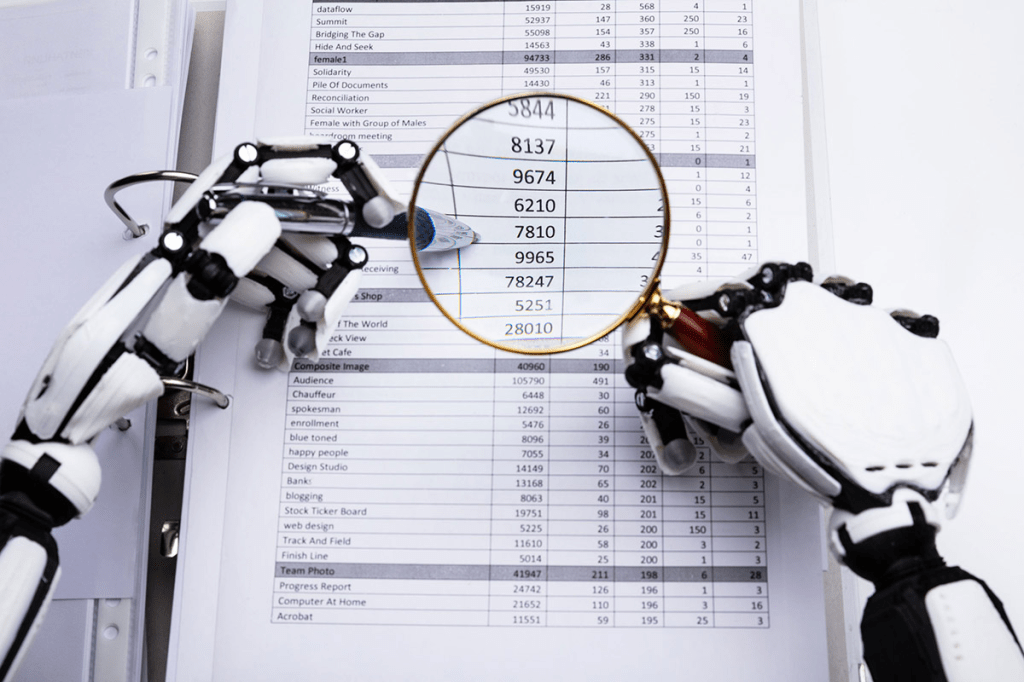
This article explores the role of gen AI for internal audit, focusing on how this technology is transforming traditional auditing methods and paving the way for more accurate, efficient, and predictive auditing.
What is Generative AI in Internal Audit?
Generative AI refers to artificial intelligence that can generate new outputs, insights, and recommendations by learning from data. In the context of internal audits, it uses machine learning algorithms to automate tasks such as data analysis, anomaly detection, risk prediction, and reporting. By providing these capabilities, generative AI significantly enhances the internal audit process, allowing auditors to focus on higher-value tasks such as strategic planning and risk management.
How Does Generative AI Work in Internal Audit?
Generative AI functions by processing vast volumes of data, identifying patterns, and making predictions. It helps auditors by:
- Automating repetitive tasks like data collection and analysis.
- Flagging potential risks or anomalies in financial and operational data.
- Generating audit reports through natural language processing, saving time and effort.
- Offering predictive insights, helping organizations anticipate and mitigate risks proactively.
With these capabilities, generative AI shifts the internal audit function from being retrospective and reactive to proactive and predictive.
Key Roles of Generative AI in Internal Audit
Generative AI plays a critical role in enhancing various aspects of the internal audit process. Below, we dive deeper into the specific roles generative AI plays in transforming internal audit practices.
1. Automating Routine Audit Tasks
One of the most significant roles generative AI plays in internal audits is automating routine tasks. Traditional audits involve a great deal of manual work, such as collecting, sorting, and analyzing large sets of data. This can be time-consuming and prone to human error. Generative AI can take over these repetitive tasks, allowing auditors to focus on more strategic issues.
- Automated Data Collection: AI can gather data from various systems and sources, ensuring that no critical information is overlooked.
- Quick Data Analysis: Generative AI can process large datasets much faster than a human auditor could, flagging inconsistencies and anomalies for further review.
- Consistent Application: AI ensures that audit criteria are applied consistently across all data points, reducing the risk of bias or oversight.
2. Enhancing Accuracy and Precision
Generative AI improves the accuracy and precision of internal audits by reducing the likelihood of human error. Through advanced algorithms, AI can sift through thousands of transactions or records to identify irregularities or potential compliance issues that may have been missed in traditional audits.
- Data Integrity Checks: AI models can perform integrity checks on data to ensure it’s accurate and reliable.
- Error Detection: Generative AI can detect discrepancies between actual transactions and recorded data, highlighting areas of concern that require deeper analysis.
- Eliminating Bias: By relying on machine learning models, AI ensures objectivity in audits, removing any human bias that may inadvertently affect results.
3. Continuous Monitoring and Real-Time Audits
Traditionally, internal audits are periodic activities, often occurring annually or quarterly. However, the role of generative AI in continuous monitoring changes this dynamic. AI enables organizations to audit in real-time, continuously tracking key performance indicators and compliance metrics.
- Real-Time Auditing: Generative AI allows for real-time audits, providing immediate feedback on potential issues.
- Continuous Risk Monitoring: AI continuously monitors operations, identifying risks before they become significant problems, enabling organizations to take preemptive action.
- Compliance Management: Generative AI can track regulatory changes and automatically update compliance requirements, ensuring that organizations remain compliant with evolving laws.
4. Predictive Risk Management
Another transformative role of generative AI is its ability to offer predictive risk management. By analyzing historical and real-time data, AI can forecast future risks and suggest preventative measures. This shifts internal auditing from being reactive to proactive.
- Risk Prediction: AI algorithms can identify patterns that may indicate potential risks, allowing auditors to address issues before they escalate.
- Scenario Analysis: Generative AI can simulate different scenarios, helping auditors understand the potential outcomes of specific risks and the effectiveness of mitigation strategies.
- Data-Driven Decision Making: By providing predictive insights, AI allows decision-makers to take proactive measures to manage and mitigate risks more effectively.
5. Anomaly Detection and Fraud Prevention
Generative AI plays a crucial role in anomaly detection and fraud prevention. Internal auditors traditionally use sample data to identify discrepancies, which can lead to errors or missed fraud cases. AI, however, can analyze complete datasets to identify irregularities, ensuring a more thorough examination.
- Detecting Anomalies: AI uses machine learning to identify patterns that don’t align with the expected data trends, flagging potential fraud or misreporting.
- Fraud Prevention: AI models continuously evolve based on new data, enabling more accurate fraud detection over time.
- Automated Alerts: Generative AI can automatically alert auditors and compliance teams when suspicious activities are detected, reducing response times and enhancing fraud prevention.
6. Generating Audit Reports with NLP
Generative AI, especially when integrated with Natural Language Processing (NLP), can assist in generating comprehensive audit reports. Traditionally, report generation is a labor-intensive process that requires auditors to sift through vast amounts of data and manually compile their findings. AI changes this by autonomously creating audit reports based on its analysis of the data.
- Automated Reporting: AI can generate detailed audit reports that summarize key findings, insights, and recommendations in a matter of minutes.
- Customizable Reports: The technology allows for the customization of reports based on the specific needs of the audit, whether that’s compliance-related, financial, or operational.
- Comprehensive Insights: AI-generated reports provide comprehensive, data-backed insights that allow stakeholders to make more informed decisions.
Benefits of Generative AI in Internal Audit
The roles generative AI plays in internal audit bring significant benefits, including enhanced efficiency, improved accuracy, and more strategic auditing. Here are the main benefits:
1. Efficiency Gains
By automating routine tasks, generative AI drastically reduces the time and effort required to complete internal audits. This enables auditors to focus on higher-value activities, such as analyzing strategic risks and providing recommendations.
2. Higher Audit Accuracy
AI’s ability to analyze large datasets without fatigue or bias ensures that audits are more accurate. This leads to better compliance, fewer errors, and a greater likelihood of identifying potential issues early.
3. Risk Mitigation
Generative AI’s predictive capabilities allow organizations to proactively manage risks. Rather than reacting to problems after they’ve occurred, companies can mitigate risks before they become costly issues.
4. Cost Savings
While the initial implementation of generative AI may require investment, the long-term savings in time, labor, and improved compliance far outweigh the costs. AI-driven audits reduce the need for extensive manual labor, driving down operational costs.
Challenges of Implementing Generative AI in Internal Audit
While the benefits of generative AI in internal audit are clear, implementation comes with challenges. Organizations must be prepared to address these issues to fully leverage the potential of AI.
1. Data Privacy and Security Concerns
Generative AI relies on massive datasets, many of which may contain sensitive information. Ensuring that this data is protected and that AI systems comply with data privacy regulations is essential.
2. Integration with Existing Systems
Implementing generative AI requires integration with existing audit and financial systems. This can be a complex process, particularly for large organizations with legacy systems.
3. Training and Skill Gaps
Auditors will need to be trained on how to work alongside AI tools, which may require significant investment in training and skill development. Companies may also need to hire AI experts to manage and maintain these systems.
The Future of Generative AI in Internal Audit
The future of internal audit is undoubtedly tied to the advancements in generative AI. As AI technology evolves, it will continue to enhance the capabilities of auditors, enabling them to work more efficiently and strategically.
1. AI-Enhanced Audit Teams
Rather than replacing human auditors, generative AI will work alongside audit teams, providing them with tools to enhance decision-making and risk management. This collaboration between humans and AI will result in more effective audits.
2. AI-Powered Audit Platforms
As AI continues to evolve, we can expect to see the rise of AI-powered audit platforms that fully automate many aspects of the audit process. These platforms will be able to analyze vast amounts of data in real-time, provide predictive insights, and even self-generate audit reports.
3. Improved Governance and Compliance
Generative AI will play a significant role in improving corporate governance by ensuring continuous compliance with regulatory standards. This will make it easier for organizations to adapt to new laws and regulations as they emerge.
Conclusion
The role of generative AI in internal audit is multifaceted, transforming traditional auditing processes into efficient, data-driven, and forward-looking functions. By automating repetitive tasks, enhancing accuracy, providing real-time insights, and enabling predictive risk management, generative AI platform is revolutionizing the internal audit landscape. However, organizations must address challenges like data security, system integration, and training to fully realize its benefits. As AI technology continues to advance, its role in internal auditing will only become more critical, empowering auditors to drive greater value within their organizations.


 B'yondAI
Leave a comment