In modern enterprises, technology systems are no longer isolated tools supporting business operations—they have become the core infrastructure that drives innovation, operational efficiency, and customer experience. As organizations continue to adopt cloud platforms, data-driven applications, and AI-powered services, the complexity of their technology ecosystems continues to grow. Managing this complexity requires a structured approach to system design, which is where solution architecture design becomes essential.
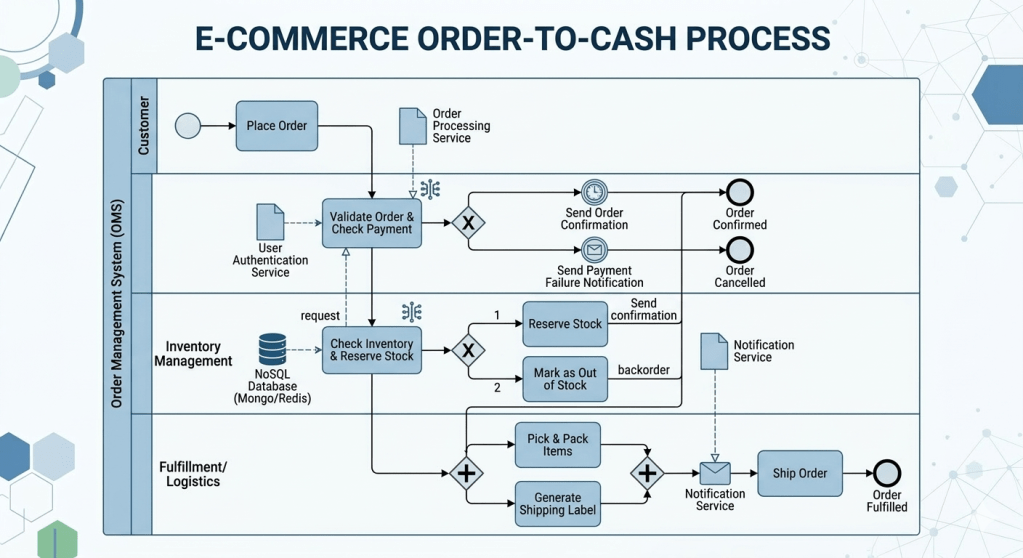
Solution architecture acts as the bridge between business strategy and technical implementation. It ensures that technology systems are designed in a way that supports organizational objectives while remaining scalable, secure, and adaptable. Without a well-defined architecture process, organizations often face fragmented systems, integration challenges, and technical debt that can hinder digital transformation efforts.
This guide explores the principles, processes, and best practices involved in solution architecture design, helping organizations build scalable and resilient enterprise technology systems.
Understanding Solution Architecture
At its core, solution architecture is the discipline of designing integrated technology systems that address specific business challenges. It translates strategic objectives into technical structures that guide development and implementation.
While enterprise architecture focuses on long-term technology strategy and governance across an organization, solution architecture is more targeted. It focuses on designing the architecture for a specific initiative, project, or service.
A well-designed solution architecture blueprint typically defines:
- System components and application services
- Data flows and information exchange
- Integration pathways between systems
- Infrastructure and deployment models
- Security and compliance considerations
This blueprint acts as the foundation that guides engineering teams during implementation while ensuring alignment with broader enterprise goals.
Why Solution Architecture Design Is Critical for Digital Transformation
Digital transformation initiatives often involve the modernization of legacy systems, the introduction of new digital platforms, and the integration of multiple applications. Without a structured solution architecture design approach, these initiatives can quickly become complex and difficult to manage.
Common risks associated with weak architecture design include:
- Misalignment between business requirements and technical systems
- Integration failures between applications and platforms
- Poor system scalability under increasing workloads
- Security vulnerabilities and compliance gaps
- High operational and maintenance costs
A structured architecture process helps organizations avoid these risks by ensuring that systems are designed with long-term sustainability in mind.
The Role of Solution Architects in Enterprise Technology
Solution architects play a critical role in ensuring that technology solutions align with business objectives. They are responsible for translating high-level requirements into structured system designs that guide development teams.
A solution architect typically performs several key functions:
- Requirement Analysis
Understanding business goals, user requirements, and operational constraints. - Technical Architecture Design
Designing the structure of applications, services, and infrastructure. - Integration Planning
Defining how systems communicate and exchange data. - Risk Identification
Evaluating potential design risks related to scalability, security, or performance. - Architecture Governance
Ensuring that technology solutions align with enterprise standards and policies.
By balancing technical expertise with strategic thinking, solution architects help organizations deliver technology initiatives that meet both operational and business goals.
Key Components of a Solution Architecture Blueprint
A solution architecture blueprint provides a comprehensive view of how a technology solution will function once implemented. It serves as a reference document that aligns stakeholders across business and technical teams.
Several elements are typically included in an architecture blueprint.
System Architecture Overview
This section describes the overall structure of the system, including major components, services, and technology layers.
Application and Service Components
Architects define the applications and microservices that will support the system’s functionality.
Data Architecture
This component outlines how data is stored, processed, and transferred between systems.
Integration Design
Integration design defines how applications interact with each other through APIs, messaging systems, or event-driven architecture.
Infrastructure Architecture
Infrastructure architecture covers the computing environment in which the solution will run, including cloud platforms, servers, and networking components.
Technical Architecture Design Principles
Effective technical architecture design requires a strong understanding of system scalability, reliability, and maintainability. Several principles guide successful architecture development.
Scalability
Systems should be designed to handle increasing workloads without requiring major structural changes.
Modularity
Modular system components allow individual services to evolve independently without disrupting the entire architecture.
Resilience
Architectures should include mechanisms that allow systems to recover from failures quickly.
Security by Design
Security considerations must be integrated into architecture planning rather than added after development.
Observability
Monitoring and logging capabilities should be built into systems so teams can detect and resolve issues quickly.
These principles help ensure that systems remain reliable and adaptable as business requirements evolve.
Architecture Diagram Generation and System Modeling
Visual representation plays a vital role in architecture communication. Architecture diagram generation allows teams to clearly understand how system components interact and how data flows across the technology ecosystem.
Architecture diagrams typically include:
- System interaction diagrams
- Data flow diagrams
- Integration architecture diagrams
- Infrastructure architecture diagrams
These diagrams enable architects to communicate complex system structures in a format that both technical and business stakeholders can understand.
In large enterprises, visual modeling tools and architecture platforms help teams maintain consistent diagram standards and keep documentation synchronized with evolving system designs.
Aligning Business Strategy with Architecture Design
One of the most important responsibilities of solution architecture design is ensuring that technical systems align with business strategy. Technology solutions should not be developed in isolation; they must support broader organizational goals.
This alignment requires architects to work closely with business stakeholders during the planning process. By understanding strategic priorities, architects can design systems that support revenue growth, operational efficiency, and customer experience improvements.
When architecture design is aligned with business goals, organizations are better positioned to realize the full value of their technology investments.
Designing Integration-Aware Enterprise Systems
Enterprise technology systems rarely operate independently. Applications must often integrate with CRM platforms, ERP systems, analytics tools, and external services.
Designing integration-aware architectures requires careful planning of:
- Data exchange formats
- API structures
- Messaging protocols
- Event-driven system interactions
Effective integration planning reduces system fragility and enables organizations to introduce new capabilities without disrupting existing systems.
Architecture Governance and Decision Frameworks
Architecture governance ensures that system design decisions remain consistent with enterprise standards and long-term technology strategies.
Governance frameworks typically include:
- Architecture review boards
- Design approval processes
- Documentation standards
- Compliance and security assessments
By establishing clear governance processes, organizations can maintain architectural consistency across projects and prevent the proliferation of incompatible technology solutions.
Common Mistakes in Solution Architecture Design
Despite the importance of architecture design, organizations frequently encounter common pitfalls during the architecture process.
Some of the most frequent mistakes include:
- Starting architecture design before requirements are clearly defined
- Overlooking integration dependencies between systems
- Treating architecture documentation as a static artifact
- Prioritizing short-term delivery speed over long-term scalability
- Failing to include security and observability in early design phases
Avoiding these mistakes requires disciplined architecture practices and effective collaboration between teams.
The Future of Solution Architecture
As enterprise technology ecosystems continue to evolve, solution architecture will become even more critical. Emerging technologies such as artificial intelligence, automation platforms, and distributed cloud infrastructure will introduce new design challenges.
Modern architecture practices are already shifting toward:
- AI-assisted architecture design tools
- automated architecture documentation
- collaborative architecture platforms
- model-driven architecture generation
These innovations will help architects manage complexity while improving the efficiency of the architecture design process.
Conclusion
In an increasingly digital business landscape, solution architecture design plays a vital role in ensuring that technology initiatives translate into scalable and reliable systems. By defining clear architecture blueprints, aligning technology systems with business strategy, and following disciplined design principles, organizations can reduce implementation risks and improve long-term system sustainability.
As enterprise ecosystems continue to grow in complexity, structured architecture practices will remain essential for organizations seeking to build resilient digital infrastructures and successfully execute their technology strategies.


Leave a comment